

A botanical name matters more than a broad label such as ‘palm’, ‘fern’, or ‘money plant’ when choosing plants for a home with cats. The options below are generally regarded as non-toxic, but chewing any plant can still cause stomach upset or physical injury. Keep fertilizer, pesticides, loose supports, and standing water out of reach as well. Check the ASPCA cat plant database and the Veterinary Poisons Information Service plant list for identification guidance. Contact a veterinarian if a cat becomes unwell after chewing a plant.

1. Maidenhair fern: Adiantum raddianum
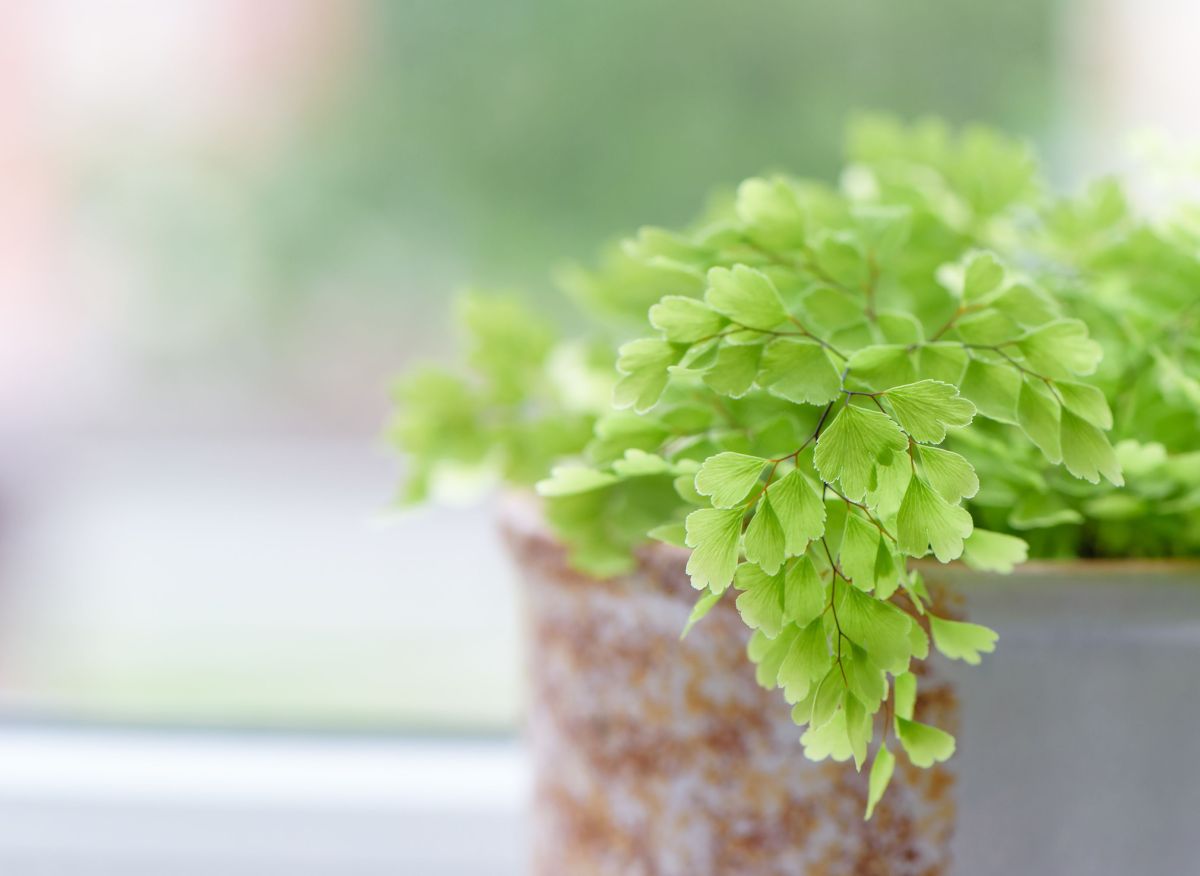

Fine fronds make this a delicate-looking foliage choice, but it needs steady root-zone moisture and suitable humidity. A bright position protected from harsh sun is useful. Our maidenhair fern guide covers its care. The fern’s soft appearance does not mean repeated chewing is harmless.
2. Cast iron plant: Aspidistra elatior
Aspidistra tolerates a range of ordinary indoor conditions and is a practical choice for moderate light. Let the upper mix dry appropriately before watering and avoid persistent saturation. Our cast iron plant guide explains placement. Non-toxic foliage is not a substitute for a pot stable enough to resist being knocked over.
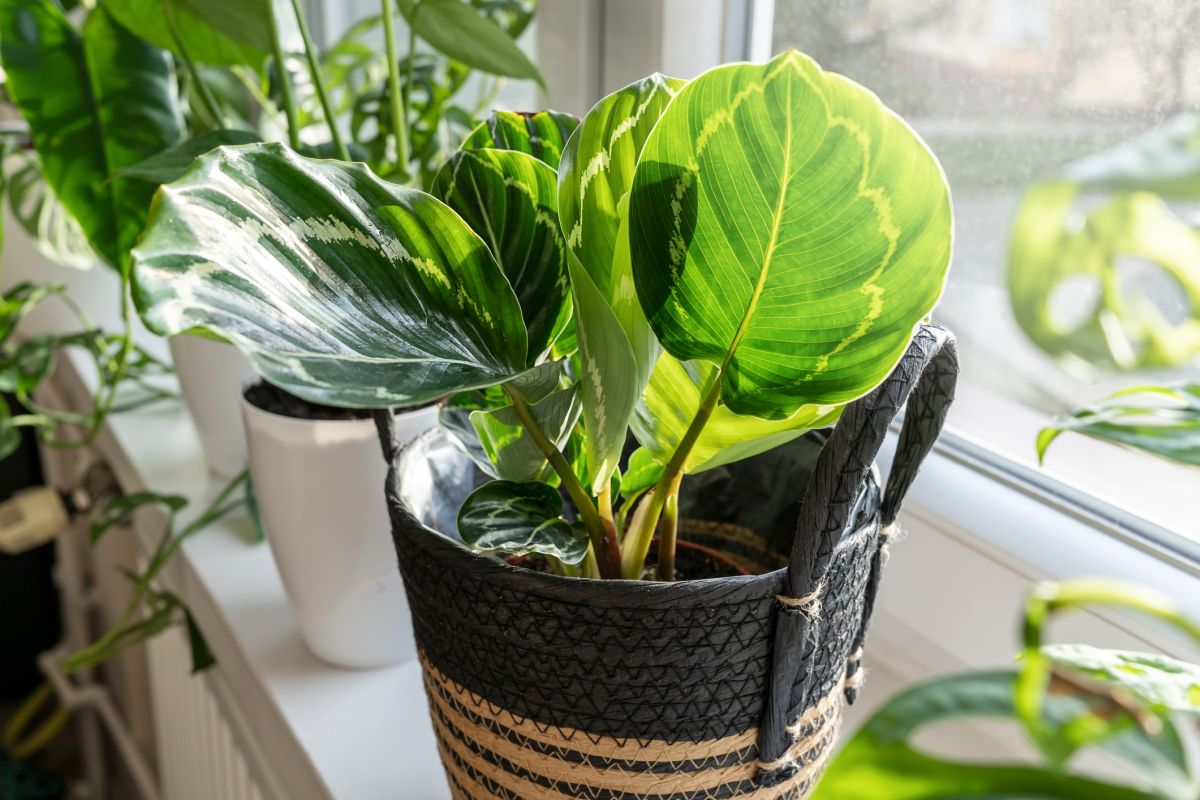
3. Orbifolia: Goeppertia orbifolia
Still commonly sold as Calathea orbifolia, this plant has broad, striped leaves. Give it bright indirect light, steady moisture, and protection from dry heater air. Our orbifolia guide covers the root zone and leaf problems. It is a different plant from many other species called prayer plant.
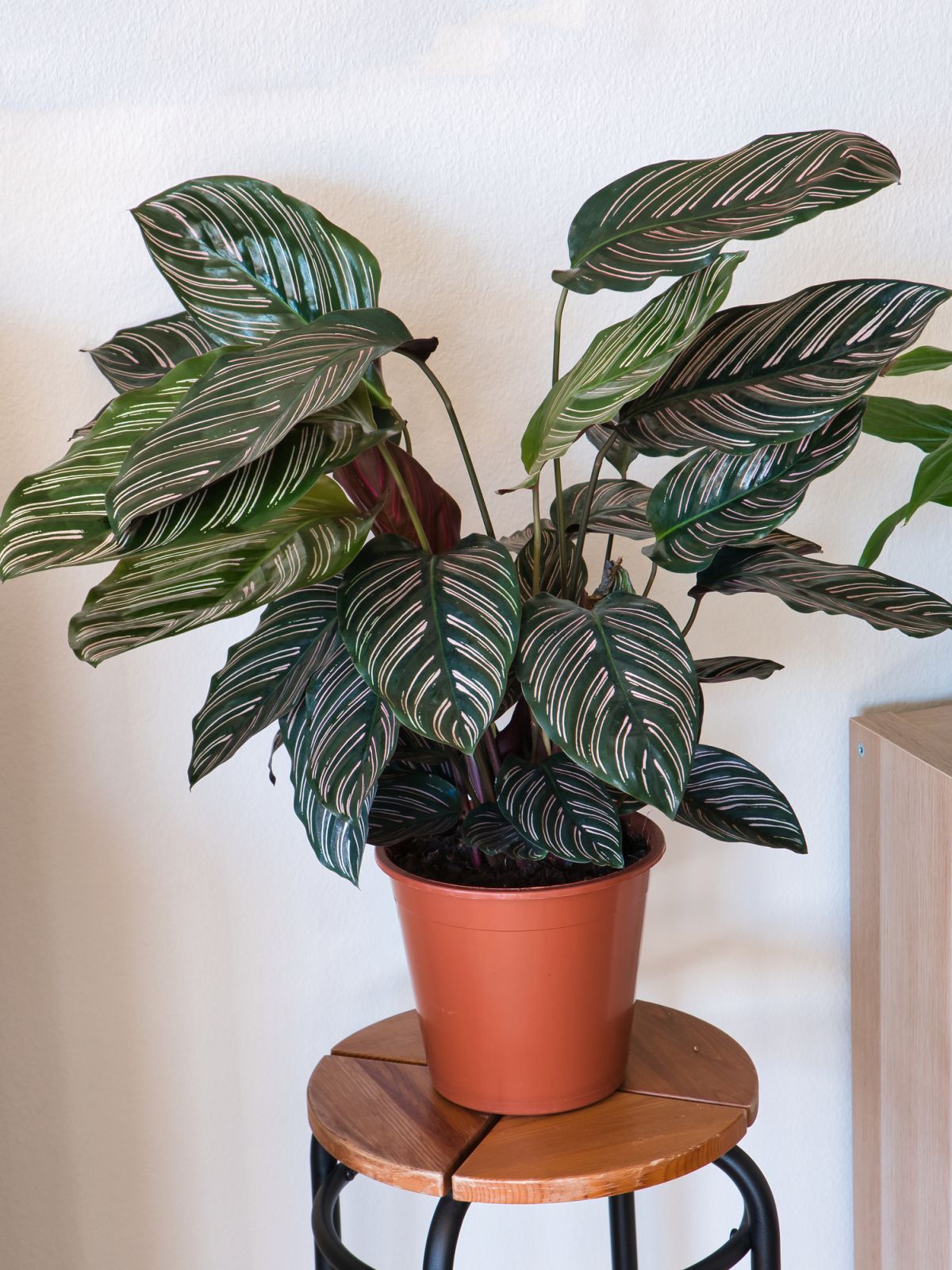
4. Pinstripe calathea
Plants sold as Calathea sanderiana or pinstripe calathea have fine pale to pink lines on dark foliage. Check the botanical label, often associated with Goeppertia ornata in current use. Keep the mix lightly moist without saturation. Repeated misting is not a reliable replacement for suitable room humidity; our Calathea guide explains the checks.
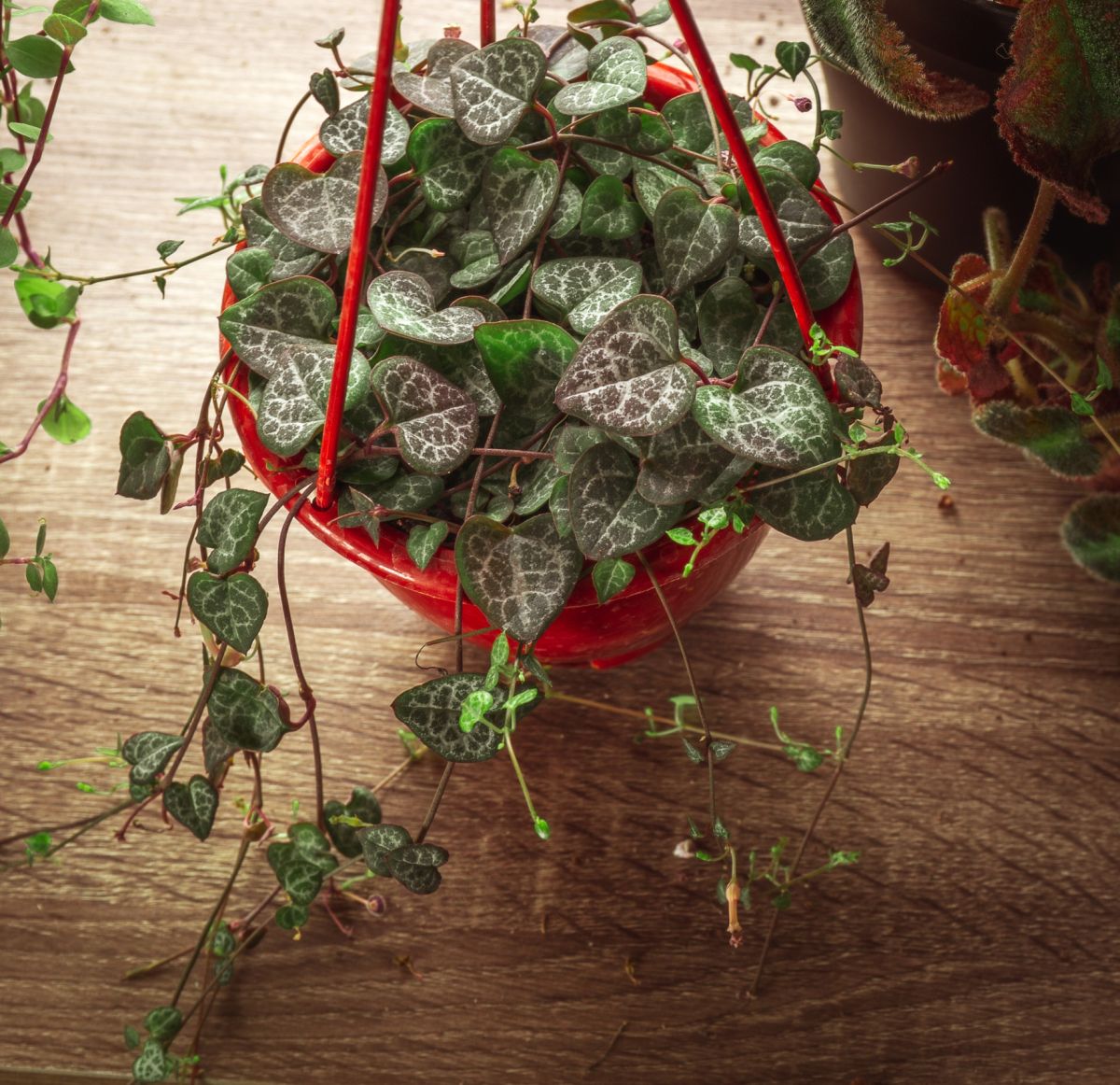
5. String of hearts: Ceropegia woodii
This trailing plant has small heart-shaped leaves and needs good light with a draining root zone. The VPIS list includes chain of hearts among plants suitable for pet households. Keep long stems positioned so a cat cannot pull down the container or become entangled while playing with them.
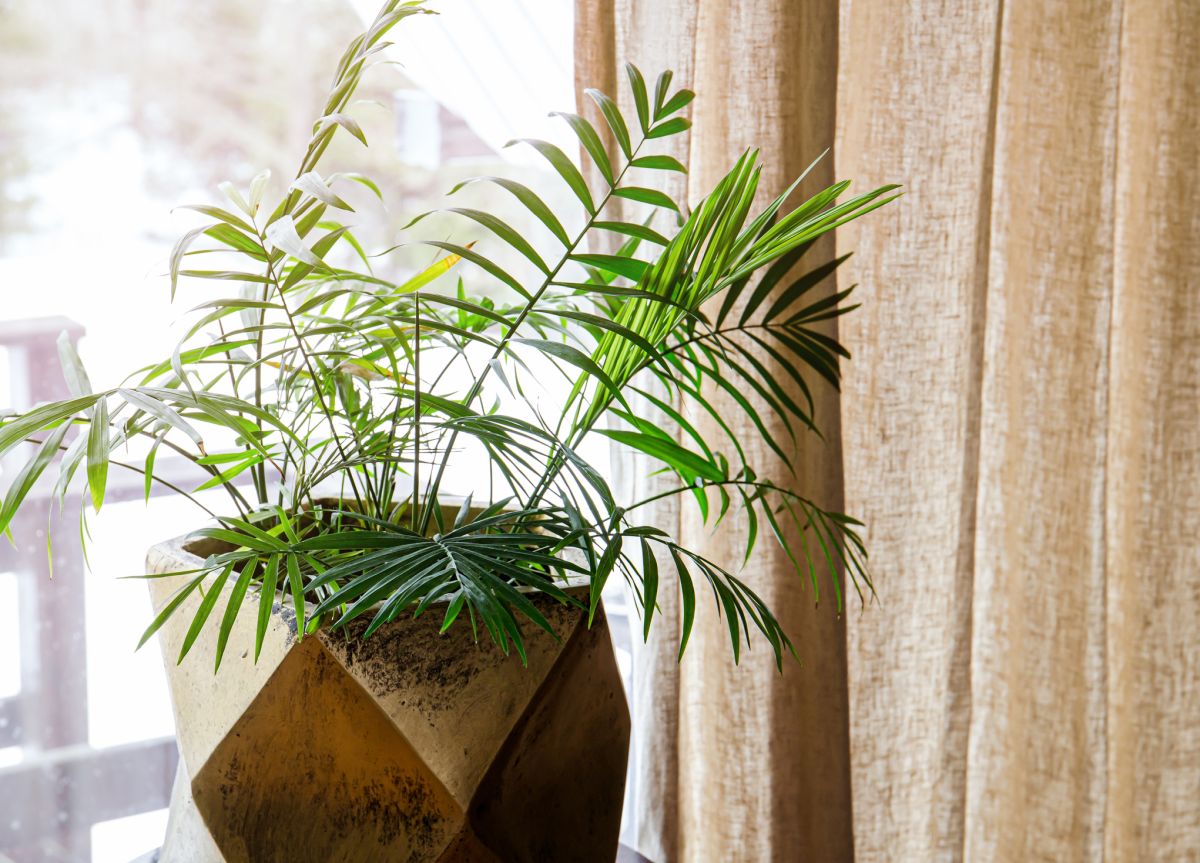
6. Parlor palm: Chamaedorea elegans
A parlor palm can add upright foliage without the hazards associated with some unrelated plants called palms. Give it useful indirect light and check moisture before watering. Confirm Chamaedorea elegans on the label: a sago palm, Cycas revoluta, is a different and dangerous plant, not an interchangeable substitute.
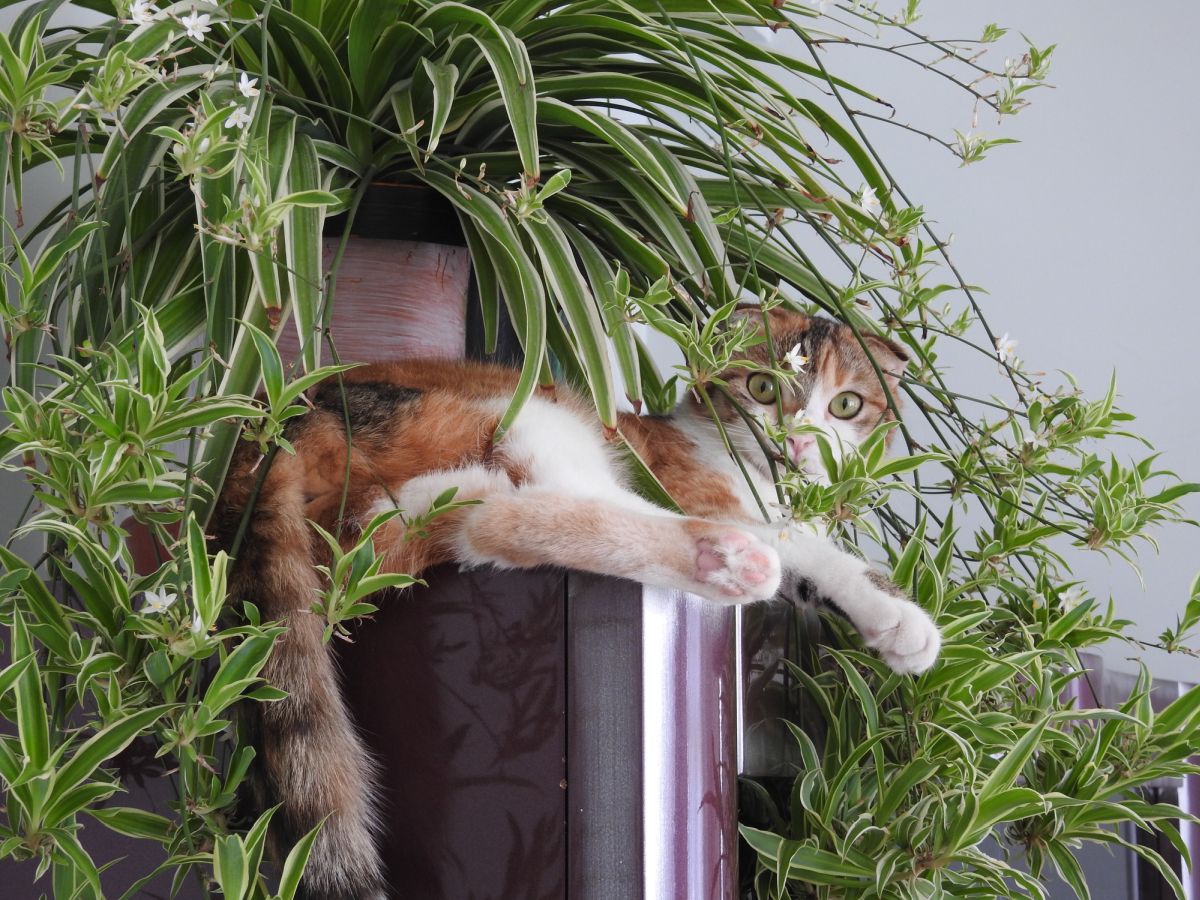
7. Spider plant: Chlorophytum comosum
Spider plants are adaptable and produce arching leaves and hanging offsets. Our spider plant guide covers their care. Cats may be attracted to the moving foliage, so position the pot securely and limit access if repeated chewing causes vomiting or damage.
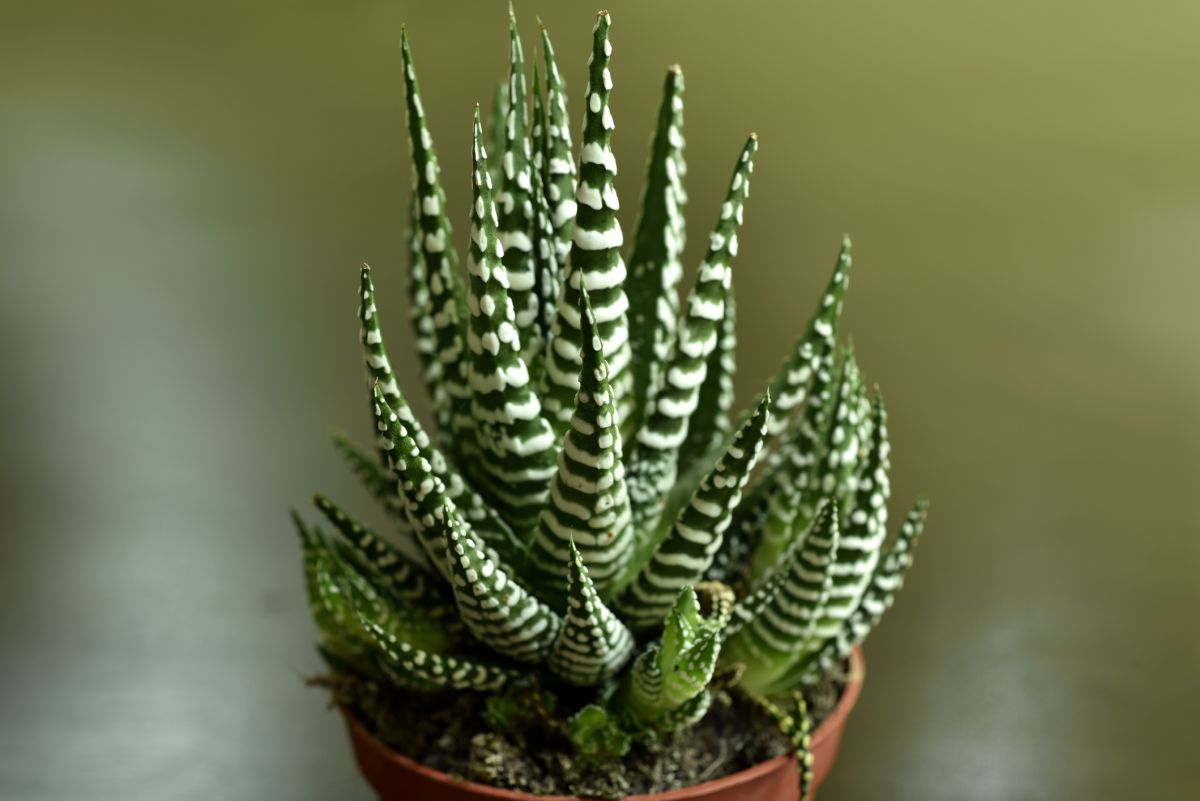
8. Zebra haworthia
Small zebra-striped succulents sold as Haworthia fasciata or Haworthiopsis fasciata offer a compact option. Closely resembling plants can carry different names and toxicity profiles, so buy a reliably identified specimen. Use a bright position and a draining mix. Do not substitute Aloe vera simply because it has a similar rosette shape.
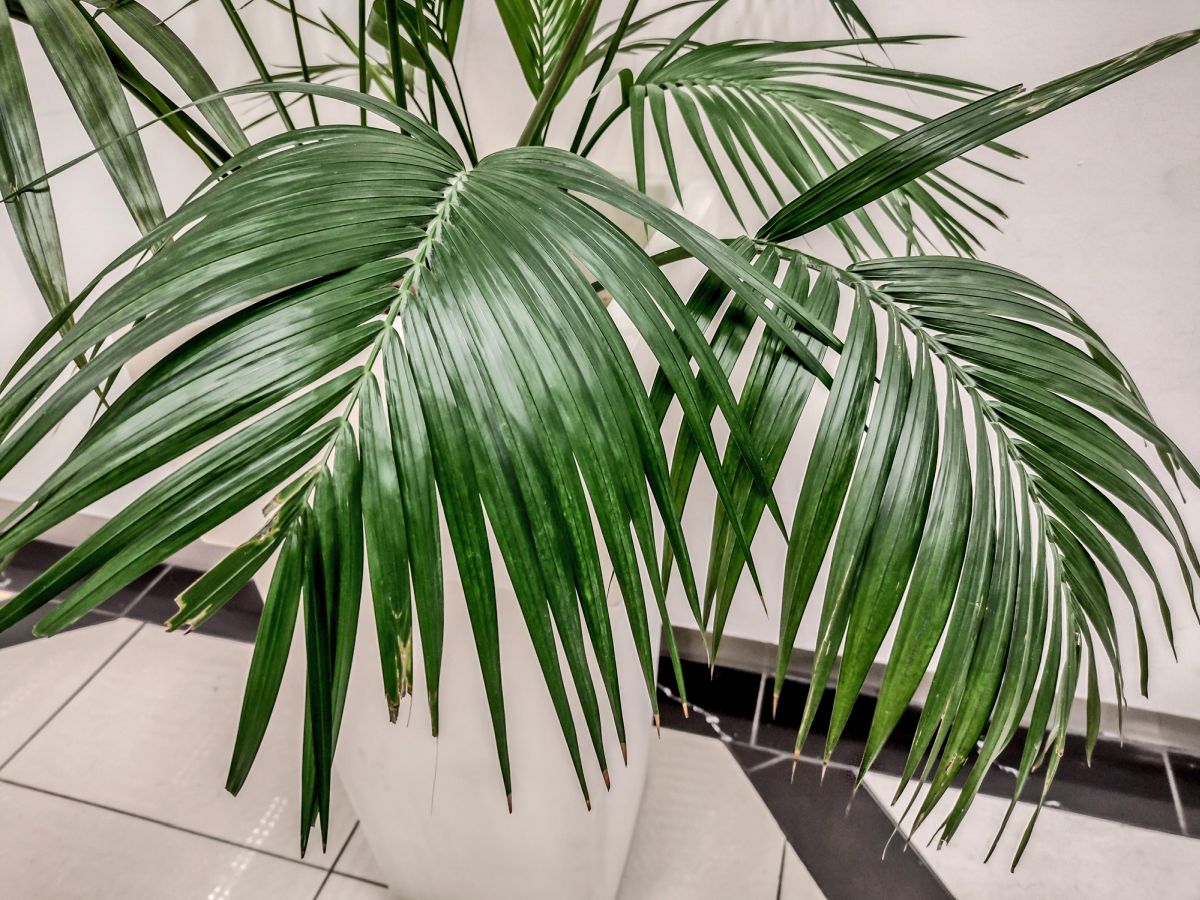
9. Kentia palm: Howea forsteriana
Kentia palm is a larger foliage option for a room with suitable light and space. Keep its root zone from remaining waterlogged and protect it from drying heater air. Its non-toxic status does not make a large, heavy container safe to climb, so consider placement as well as the plant label.
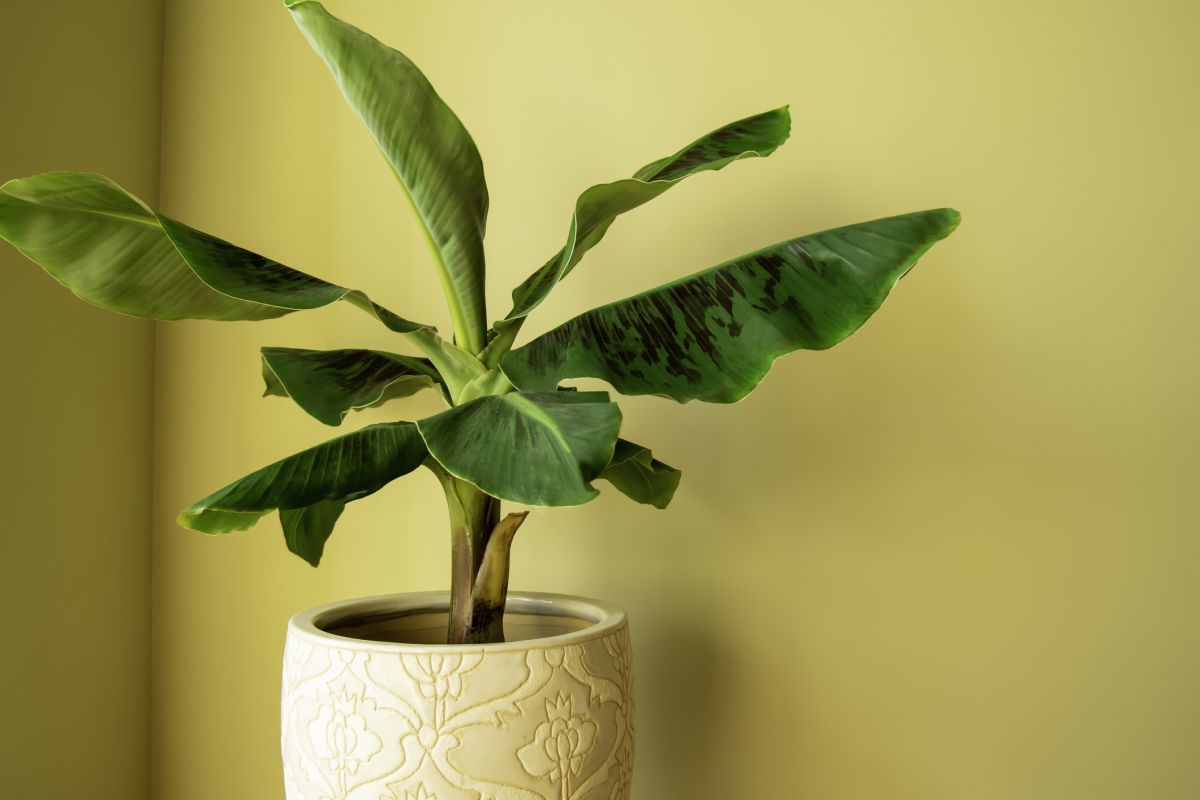
10. Banana plant: Musa acuminata
An appropriately sized banana cultivar provides broad tropical leaves, but even a dwarf selection can become substantial. It needs strong light and a stable container. Our indoor banana guide explains size and feeding. Keep damaged leaves and loose propagation material from becoming play items.
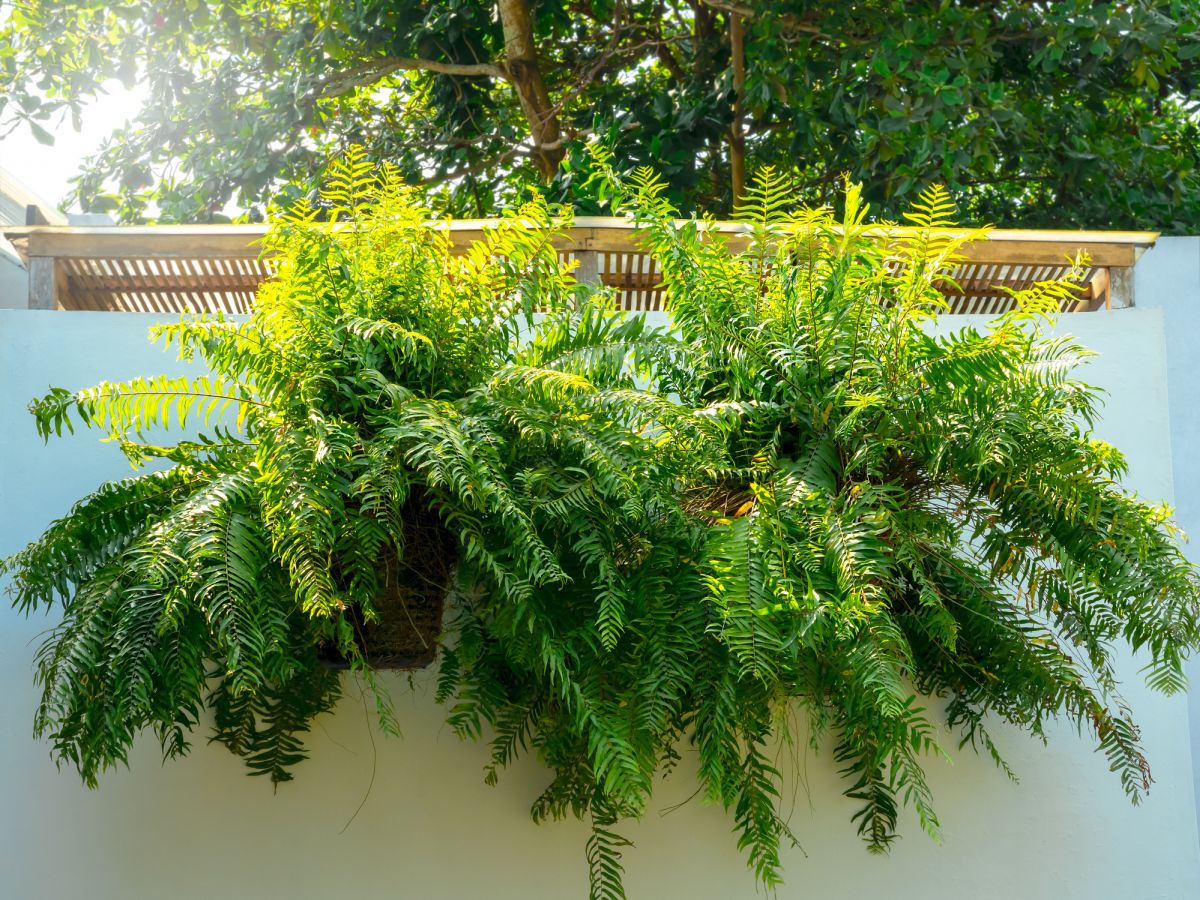
11. Boston fern: Nephrolepis exaltata
Boston fern has arching fronds and appreciates filtered light, steady moisture, and suitable humidity. Confirm the scientific name rather than assuming every plant sold as a fern has the same safety profile. Grow it for foliage, not as an air purifier or a replacement for ventilation.
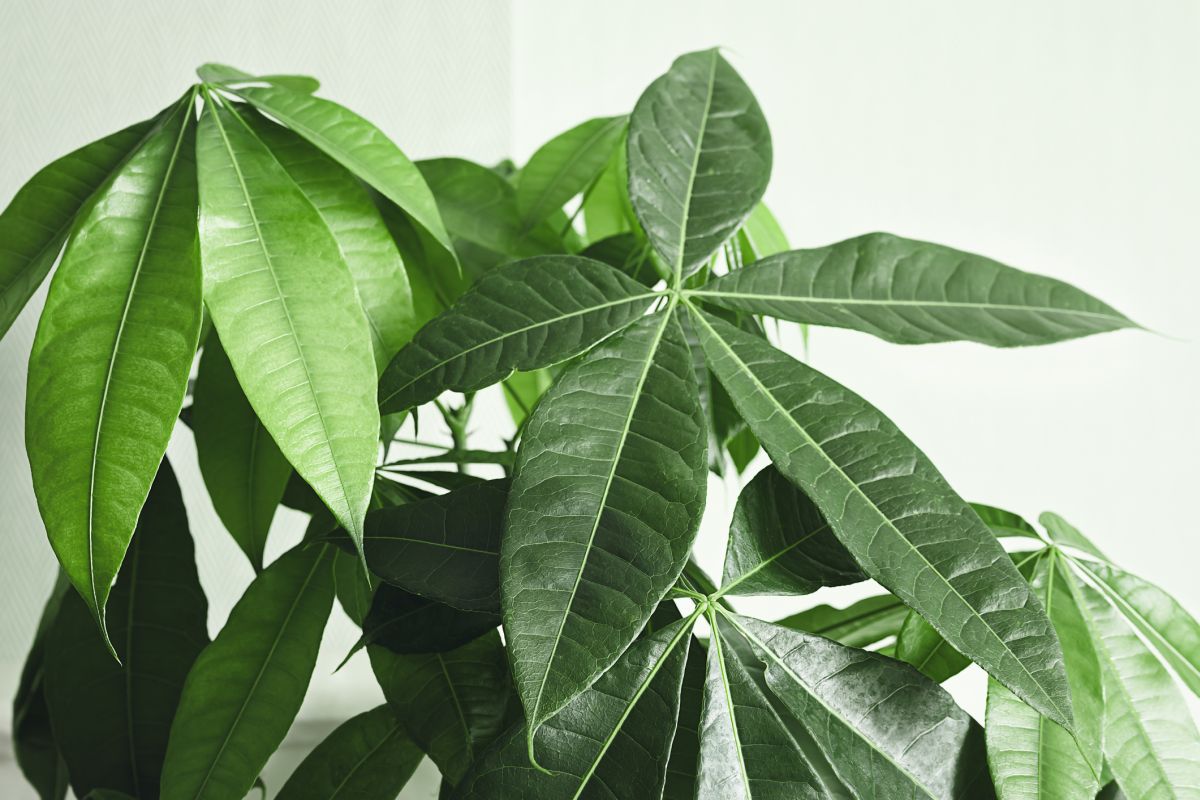
12. Money tree: Pachira aquatica
Pachira is a non-toxic option with palmately arranged leaflets, often sold with a braided stem. ‘Money plant’ can also refer to unrelated species, so check the label. Use a draining pot and inspect the root zone before watering; its trunk does not make it immune to prolonged wetness.
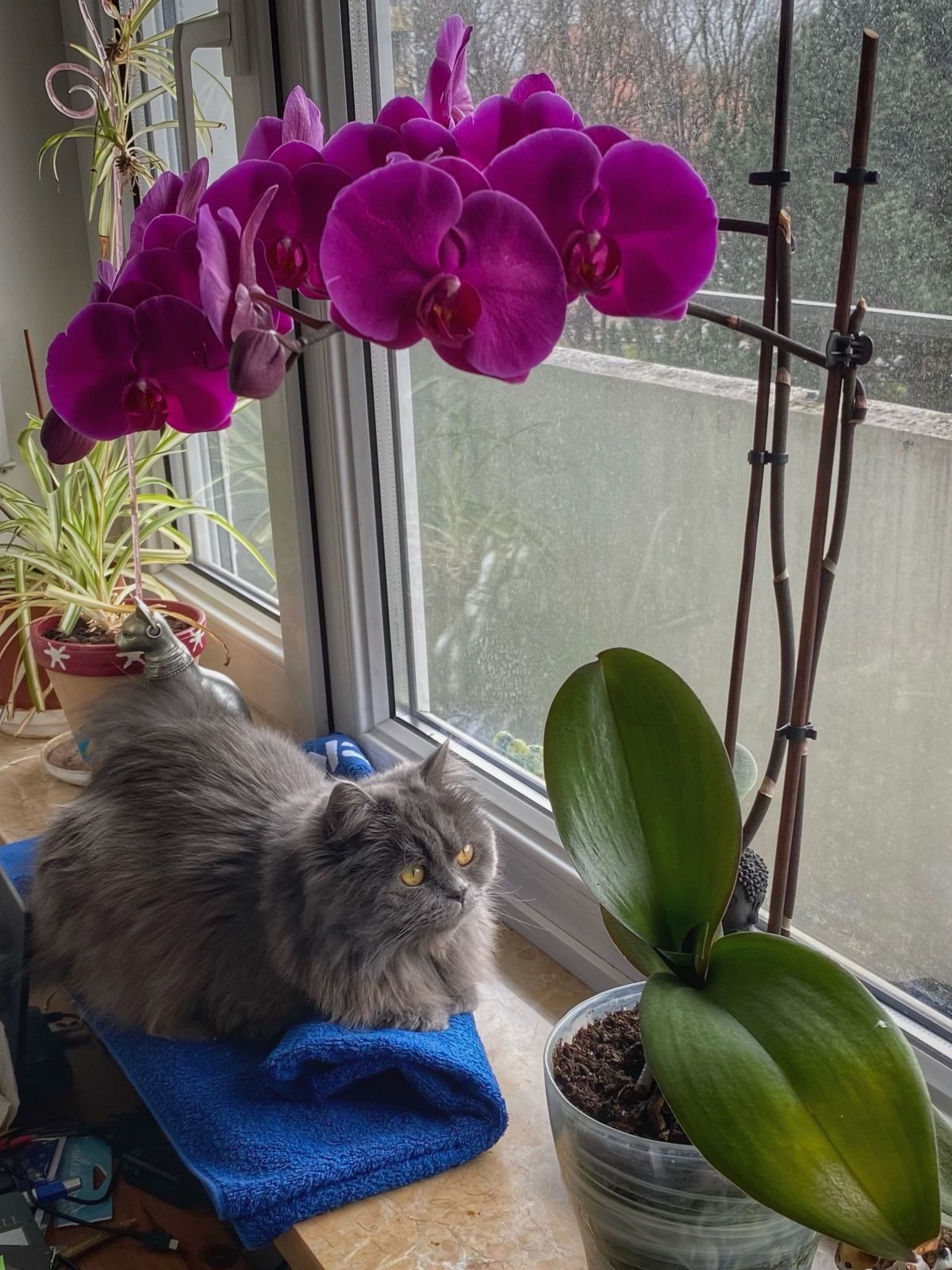
13. Moth orchids: Phalaenopsis
Moth orchids provide flowers in many colors and are generally regarded as non-toxic to cats. Our Phalaenopsis guide covers root care. Remove or secure sharp flower stakes, clips, and decorative packaging that could present a separate hazard.
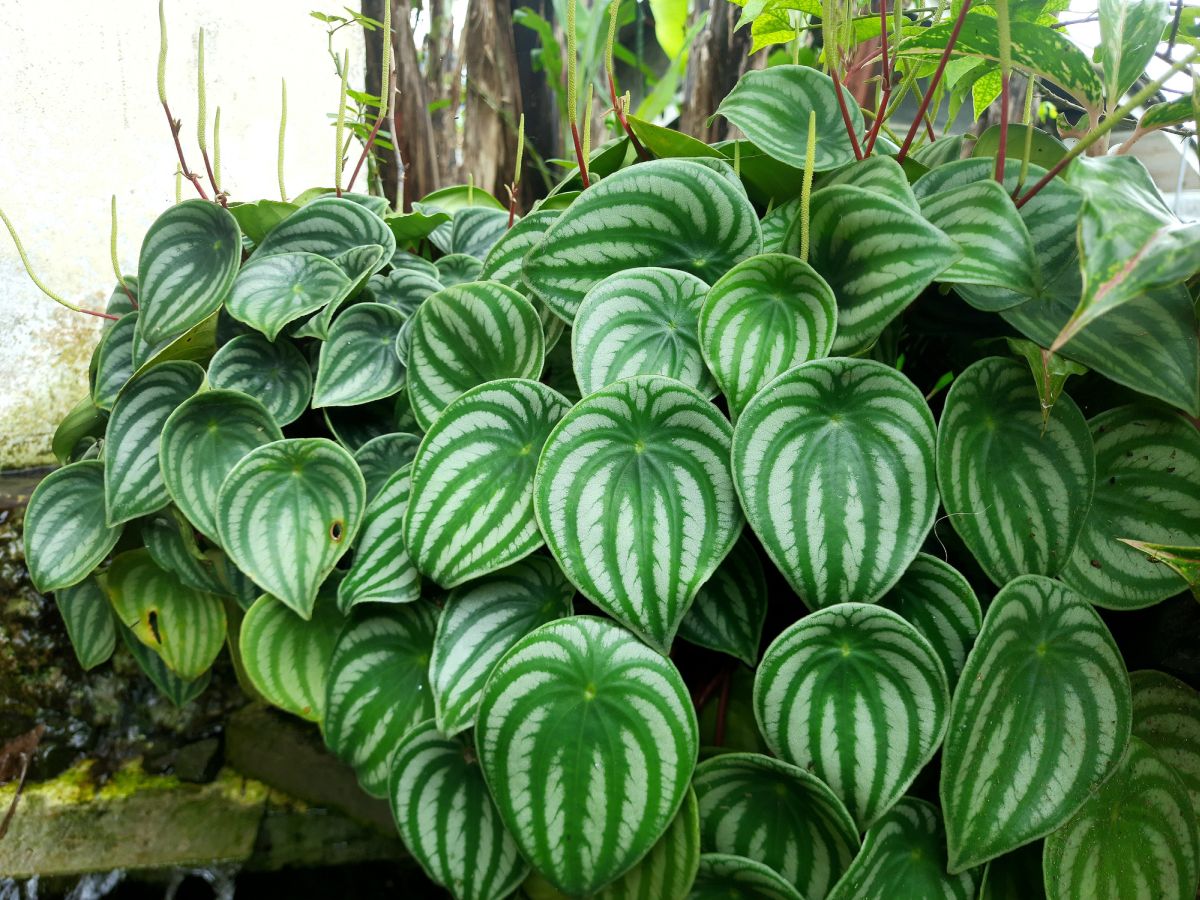
14. Watermelon peperomia: Peperomia argyreia
This compact peperomia has striped leaves resembling watermelon rind. Give it bright indirect light and a draining mix, avoiding a constantly wet pot. It does not require misting every few days to grow well. Confirm the botanical identity because common names and decorative labels can be shared or misapplied.
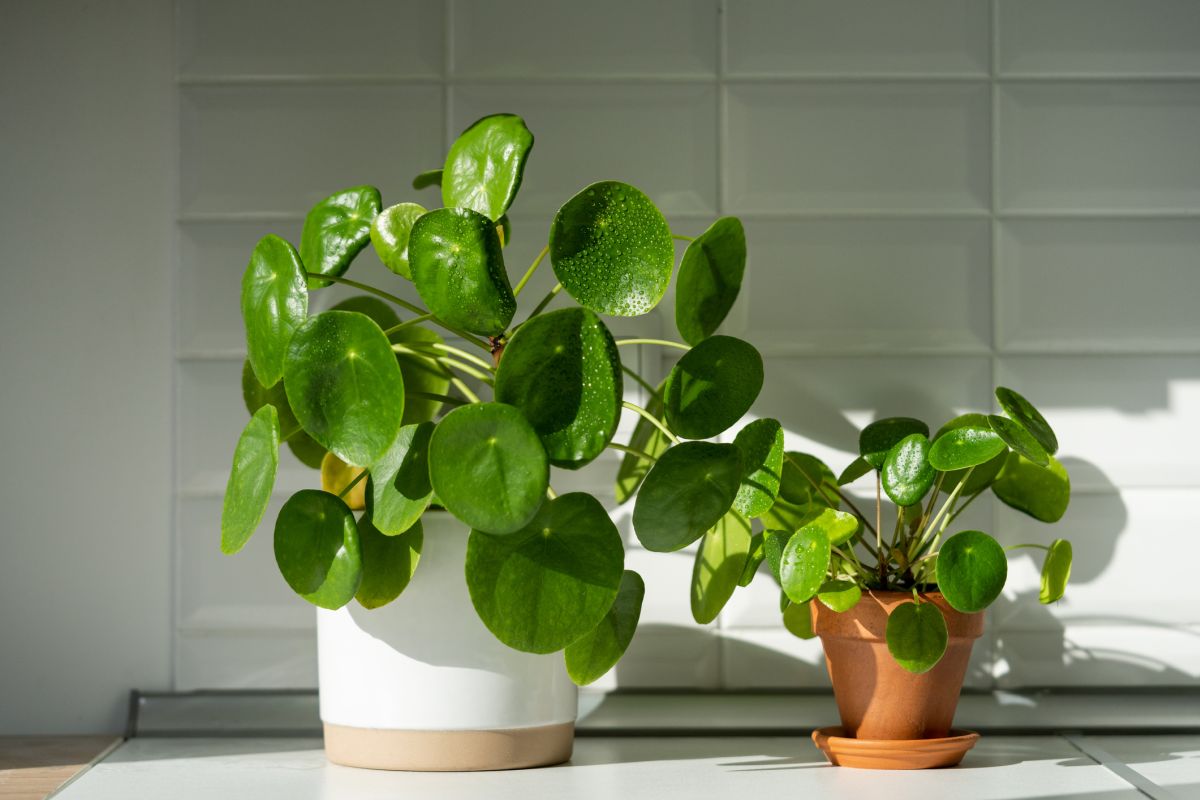
15. Chinese money plant: Pilea peperomioides
Pilea has round leaves on long stalks and can produce offsets for sharing. It is distinct from pothos and jade plants sometimes given similar money-related names. Our Pilea guide covers light and watering. For cats that repeatedly target foliage, see our plant-protection guide for practical placement and enrichment ideas.


Discussion