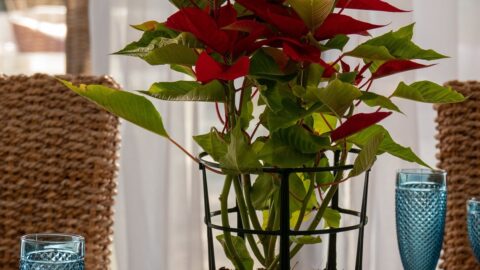
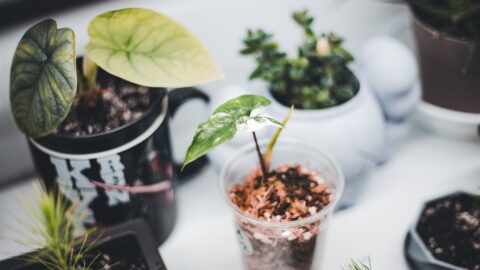
Peperomia polybotrya has thick, glossy leaves with pointed tips that give raindrop peperomia its name. It resembles Pilea peperomioides at a glance, but the two belong to different genera and families. This compact foliage plant suits a bright indoor display with a draining pot and enough space around its fleshy stems.

Compare the leaves before identifying the plant

Raindrop peperomia has glossy, droplet-shaped leaves that differ from the rounder shield-like foliage of Pilea peperomioides. The RHS profile places Peperomia polybotrya in Piperaceae and describes its compact growth. A nursery label is helpful when young plants look similar. Compare our Pilea guide if you are unsure which plant you have.
Give it bright light without scorching the leaves

Place it near a bright window, protecting it from intense exposure while it acclimates. Deep shade can produce weaker, stretched growth. Turn the pot occasionally so growth stays balanced, and keep it clear of cold glass or hot air outlets. A grow light can supplement daylight. Our light guide explains how to judge the position.
Let the pot partially dry before watering

Check below the surface and lift the pot to learn its weight as it dries. When water is needed, wet the root ball evenly, allow excess to drain, and empty the outer container. Fleshy leaves store moisture, but prolonged drought can still stress the plant. Wilting in a wet pot may involve damaged roots, so inspect the medium before adding another drink. Growth and drying often slow in dimmer winter conditions.
Match the medium and pot to the roots

Use a suitable houseplant mix with aerating material such as perlite or fine bark where needed. Choose a pot with drainage holes and increase its size modestly when roots become crowded or the medium deteriorates. The plant does not need an automatic annual move into a larger pot. Handle its fleshy stems and roots gently. See our repotting guide for practical steps.
Feed steady growth and keep pruning light
Apply a suitable houseplant fertilizer according to the label while the plant is actively growing, considering any feed already in the potting mix. Pause feeding a plant with damaged roots. Remove dead growth with clean tools and shorten a healthy stem where shaping is useful. Keep enough green foliage to support recovery. The slender flower spikes are normal and can be left in place if you like them.
Propagate from healthy growing material
A nodal stem cutting with healthy leaves is a practical option. Remove lower foliage and root the node in clean water or an airy, lightly moist propagation medium, keeping leaves above the surface. Provide warmth and filtered light, and ventilate any cover. Leaf propagation can also be attempted with suitable tissue, but roots alone are not an independent plant; new shoots must develop. Our peperomia leaf-propagation guide explains that distinction.
Inspect declining stems and new leaf damage
Check leaf joints and undersides for pests and isolate an infested plant. A soft base in persistently wet medium calls for a root inspection and correction of drainage. Remove decayed tissue with clean tools; severely damaged plants may need healthy cuttings to preserve them. Keep ornamental foliage away from chewing pets and children. Compare other shapes in our peperomia varieties guide.