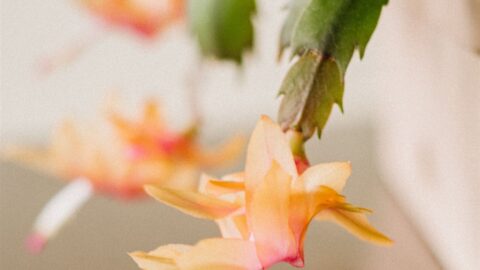
The label said low light, so the plant went onto the back shelf. Months later it has not made a new leaf. It still looks alive, but the label has become a reason not to question the location.
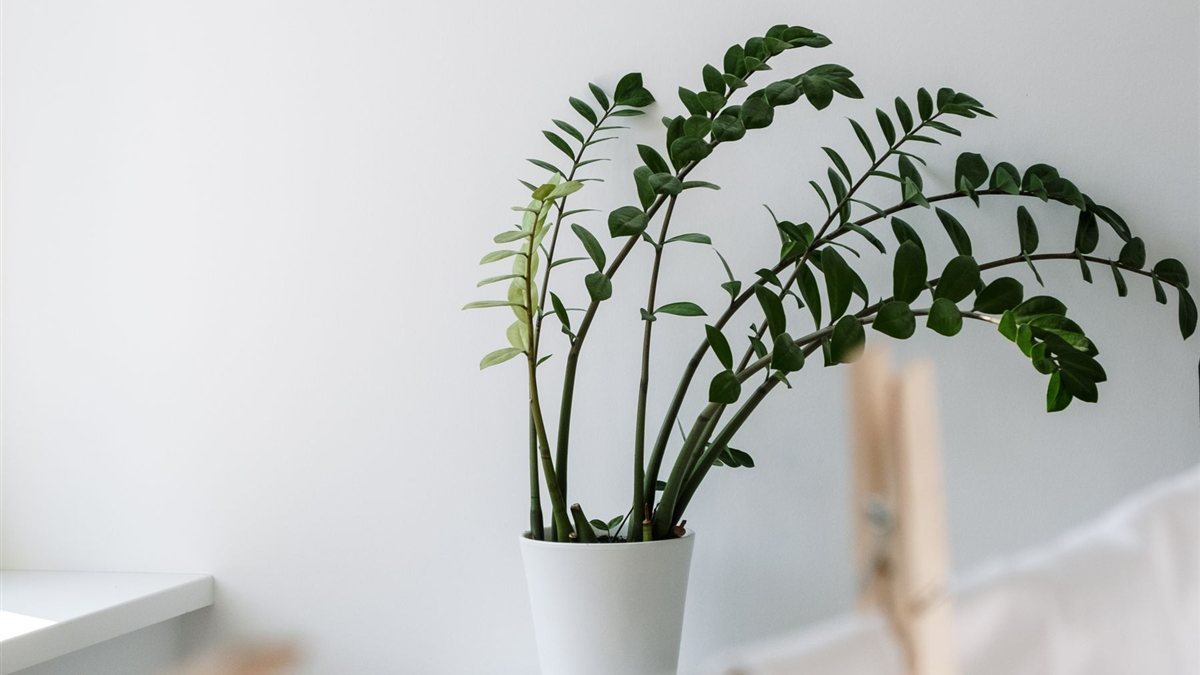
Low light describes tolerance, not an ability to grow without a useful light source. A plant can survive an unsuitable spot for a while without showing the growth you expected.
Start with what the plant can see
Illinois Extension’s lighting guide groups houseplants by their light needs. Those categories help match plants to a location. They do not promise that any position inside a north-facing room will work.
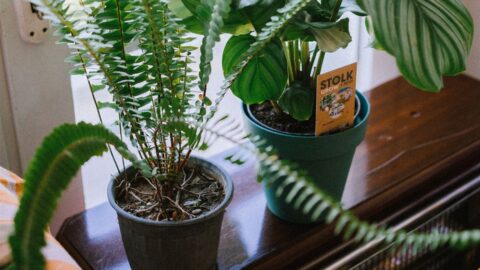
Stand at the pot and look toward the window. Curtains, walls, a deep shelf and other plants can interrupt the path. A room that feels bright to a person near the doorway may offer a different exposure at the back of a bookcase.
The low-light choices discussed by Tom’s Guide are starting candidates. Choose among them after assessing the spot, rather than using the list as permission to put any one of them anywhere.
Look for a pattern, not one quiet week
Compare recent leaves with older ones. Is the plant producing smaller growth, leaning toward the window or stretching its stems? Photograph it from the same position over several weeks. That is more informative than judging it each morning.
The University of Minnesota explains that plants need light to make carbohydrates. Lower light can mean slower growth and less water use. More fertilizer does not create the missing light.
Our indoor light guide can help you choose a brighter position. Avoid jumping from a dim shelf to intense direct sun; make changes that suit the species.
Keep the easy-care promise realistic
A ZZ or snake plant may tolerate conditions that defeat a more demanding plant. There is still a difference between maintaining a specimen and encouraging growth. Decide which result you want before buying a second plant for the same shelf.
For a ZZ, use our care guide to assess the pot as well as the window. If the mix stays wet longer in a dim location, keep checking it rather than copying a brighter room’s watering routine.