The flowers on your kalanchoe finished months ago, but the leaves still look healthy. You keep watering, try a little feed, and wait for the next display. The missing cue may arrive after the room lights go on.
For Kalanchoe blossfeldiana, a normal living-room evening can extend the apparent day. Flowering depends on a sequence of long nights, not just keeping the foliage growing.
Give the nights a consistent beginning
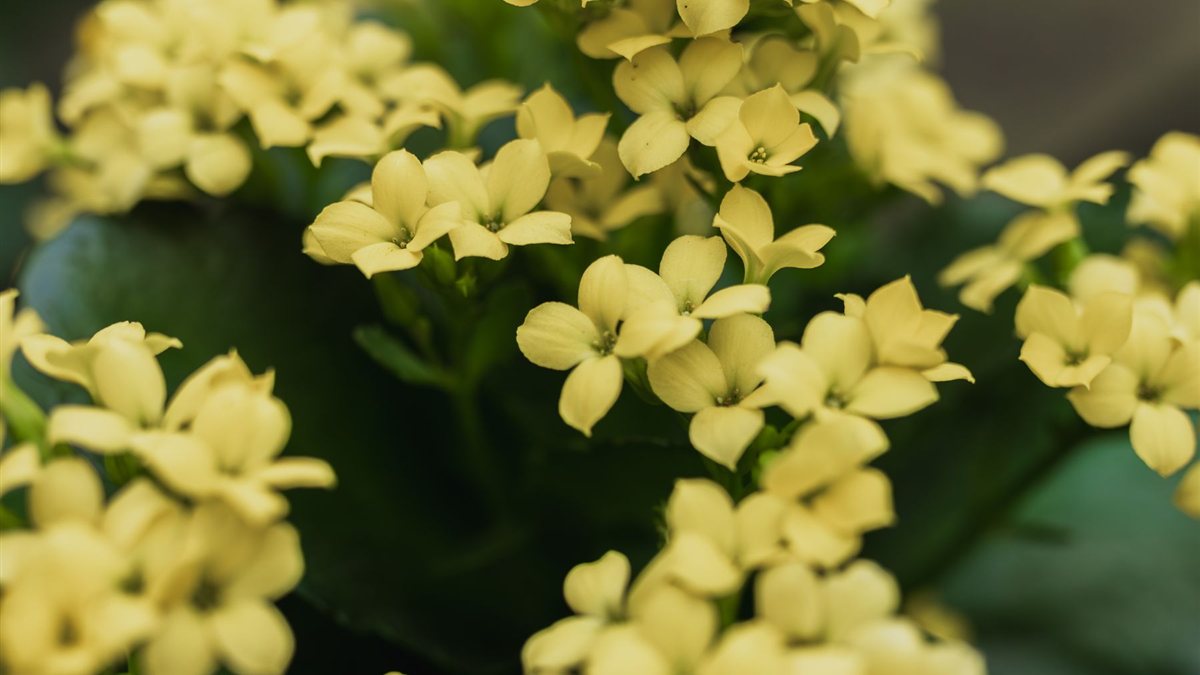
Iowa State University Extension describes kalanchoe as a short-day plant. Its reblooming guidance calls for about six weeks of 14-hour nights for flower buds to form, alongside suitable temperatures.
A room with no lights switched on at night can help provide that routine, while the plant receives bright natural light during the day. It should not spend the entire day and night in darkness.
Starting now may support a later display, but six weeks to bud formation is not the same as six weeks to open flowers. Avoid promising Christmas blooms from a November start.
Make the routine workable
- Choose a location where evening lighting is under your control.
- Check for light from nearby rooms before relying on the spot.
- Keep daytime light available instead of using a closed cupboard as a permanent home.
- Note the start date so you can judge consistency over several weeks.
Our Kalanchoe blossfeldiana guide covers the plant behind this flowering routine. Do not apply it to every succulent sold under the wider Kalanchoe name.
Keep the roots out of the experiment
Continue checking the growing medium before watering. A long-night treatment is not a reason to leave the pot wet, and extra fertilizer will not replace the light signal.
Review our container drainage guide if the plant sits in a sleeve or decorative cover.
Watch for buds without changing several other conditions at once. Healthy leaves tell you the plant is still growing; they do not tell you whether its nights have been long enough to prepare another flower display.