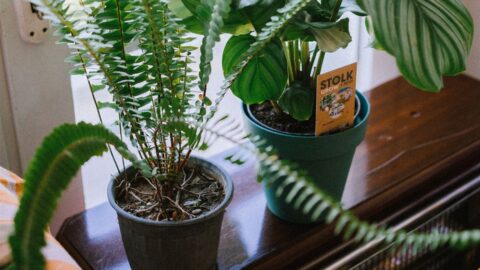
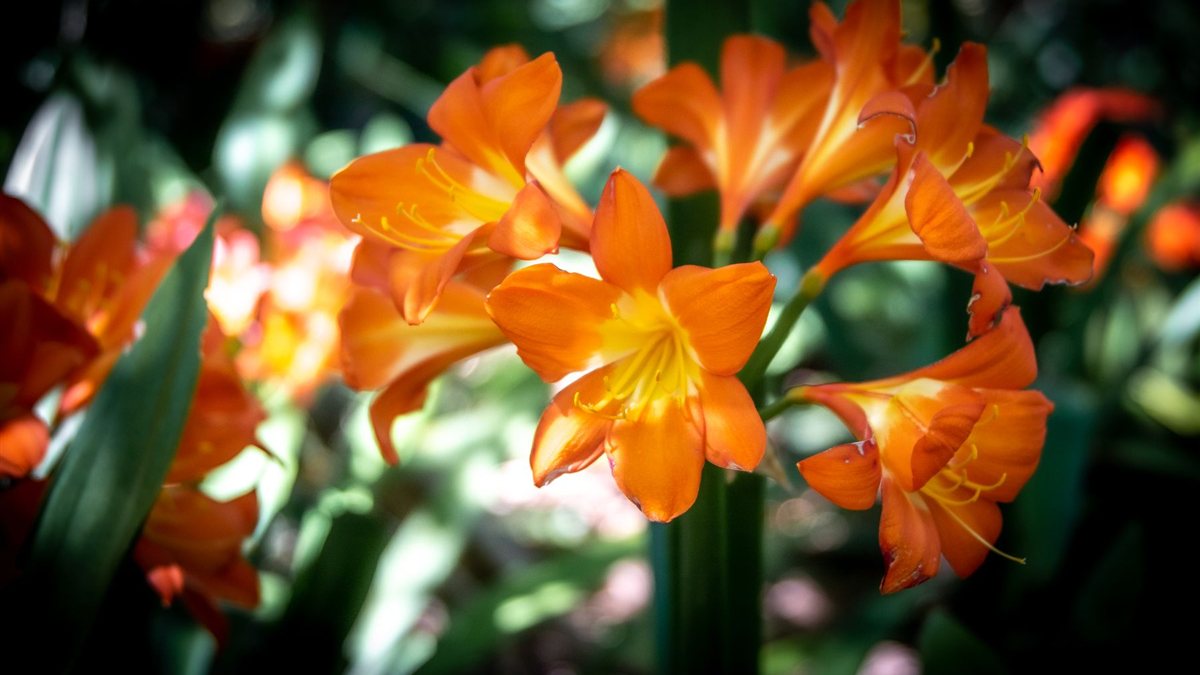
A clivia can hold handsome green leaves year after year without giving you the flower cluster you expected. Before reaching for bloom fertilizer in spring, look at how it spends the winter.
November is a useful time to choose that position. Keeping an established plant warm and well watered all season may miss the rest that helps prepare it to flower.
A cooler room can be part of the plan
The Royal Horticultural Society recommends a cool, bright winter position around 50°F (10°C), with sparse watering, for established clivias. Its flowering advice covers November through February.
Cool does not mean exposed to frost. Check the actual temperature beside the pot, especially overnight, before choosing a porch or an unheated room.
Keep the plant in light rather than treating rest as storage in a dark cupboard. Our guide to direct and indirect light helps describe what a candidate position receives.
Reduce watering without abandoning the roots
RHS guidance says not to let the compost dry out completely during this rest. Check it before watering, and remove runoff instead of leaving the plant in a full outer cover.
A pot can dry at a different rate after moving into a cooler room. Do not carry the old schedule with it unchanged, or replace it with a rule to withhold all water until spring.
Our watering guide explains why the growing medium and conditions matter more than the weekday.
Keep the experiment small enough to judge
Record the new position, overnight temperatures, and moisture checks. Avoid changing the pot, cutting roots, and adding feed at the same time as introducing the winter rest.
A young plant may not be ready to flower, and sound winter care cannot guarantee a display on a particular date. The point is to give a mature plant suitable seasonal conditions, then assess the result as growth resumes.
The November task is choosing and checking the winter spot. It is easier to do that now than reconstruct the plant’s winter when spring arrives.