You finish making coffee, look at the grounds and think of your Monstera. Turning kitchen waste into plant food sounds cheaper and more useful than throwing it away. The catch is treating those grounds as a ready-made fertilizer.
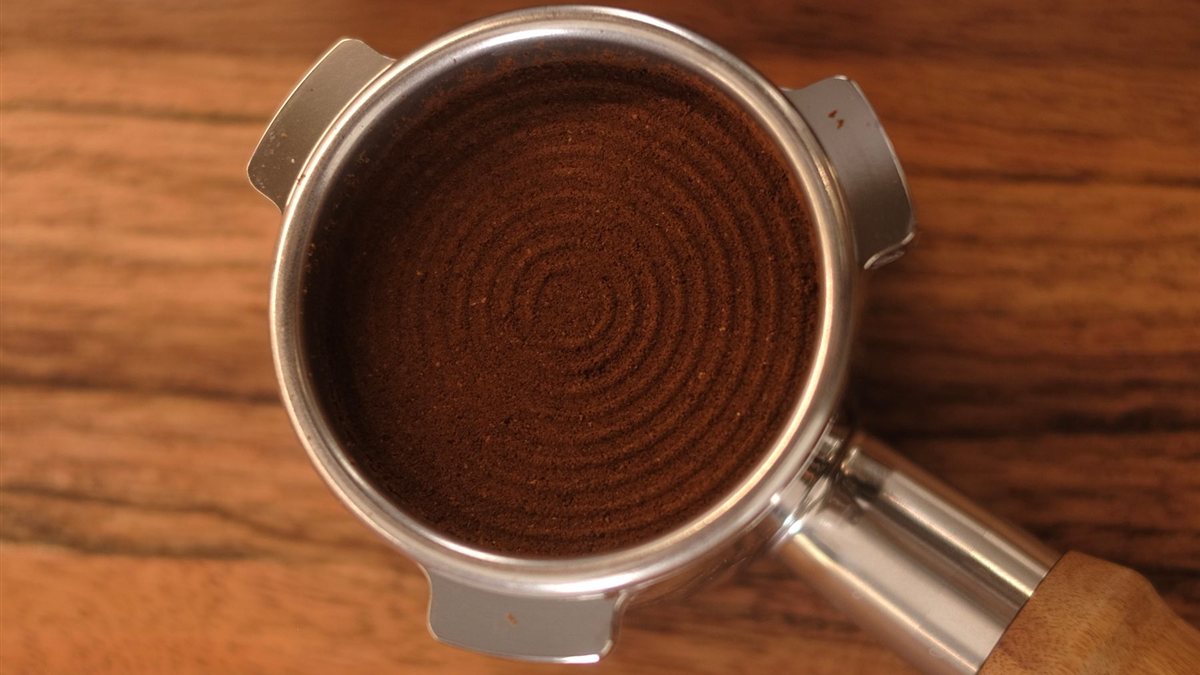
A Garden Guides article promotes used grounds as a boost for Monstera. It is an idea worth checking against the evidence before adding a layer to a houseplant’s pot.
Three claims that need separating
- Grounds contain nutrients. That does not mean they supply a complete, available feed in the right proportions.
- Grounds can go into compost. A compost ingredient is not the same thing as finished compost or potting medium.
- Coffee tastes acidic. That does not establish the effect of brewed grounds on the pot’s pH.
Oregon State Extension addresses those distinctions. It explains that spent grounds are close to neutral, are not a major nutrient source and can cause problems when overused. Nutrients listed in a material do not all become available to a plant the moment the material enters the pot.
OSU also cautions that excess fresh grounds incorporated directly into soil can tie up nitrogen and may inhibit growth. That is a poor basis for assuming a generous handful will help a slow-growing Monstera.
Choose a fix for the problem you have
If the concern is weak growth, check light, roots and watering before inventing a fertilizer recipe. If the concern is nutrition, use a fertilizer suitable for the plant and follow its directions. Do not infer a deficiency from one yellow leaf.
Our guide to coffee and plants explains why composting the grounds is a better starting point than pouring coffee into pots. Compost them as one ingredient in a mixed pile, not as the whole pile.
For the plant itself, use our Monstera care guide to review its growing conditions. A source saying a plant likes slightly acidic conditions does not establish that adding grounds is the right way to manage them.
Save the grounds if you compost. Keep the fertilizer decision separate. That preserves the useful recycling idea without turning a kitchen byproduct into a cure for every houseplant problem.