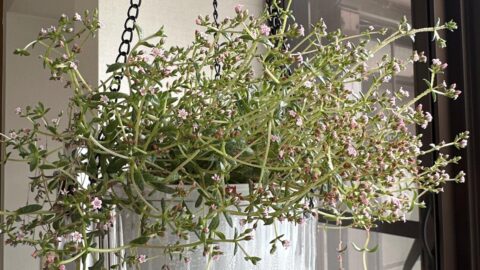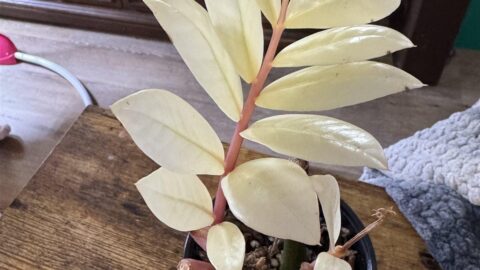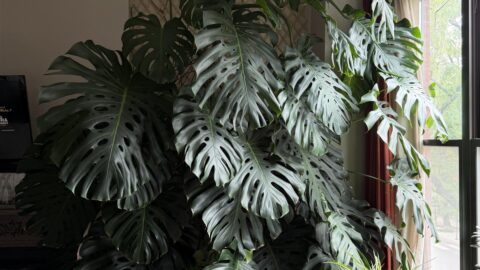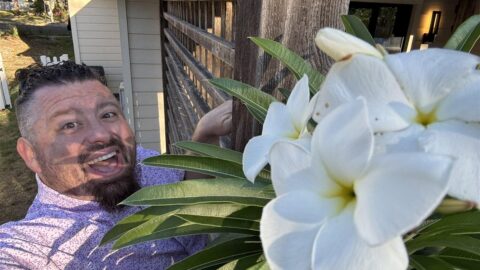
A collector who usually removed their Alocasias’ flowering structures decided to try something different: cross two plants. The first photographs showed developing berries. The grower was excited, but their own description included an important qualification.
“…Well. So far, anyway.”
u/TorchIt, r/houseplants
In the original post, u/TorchIt said they kept more than a hundred Alocasias. They described reciprocal pollination attempts using plants they called “simpo albo” and “dragon scale aurea.”
What the collector reported
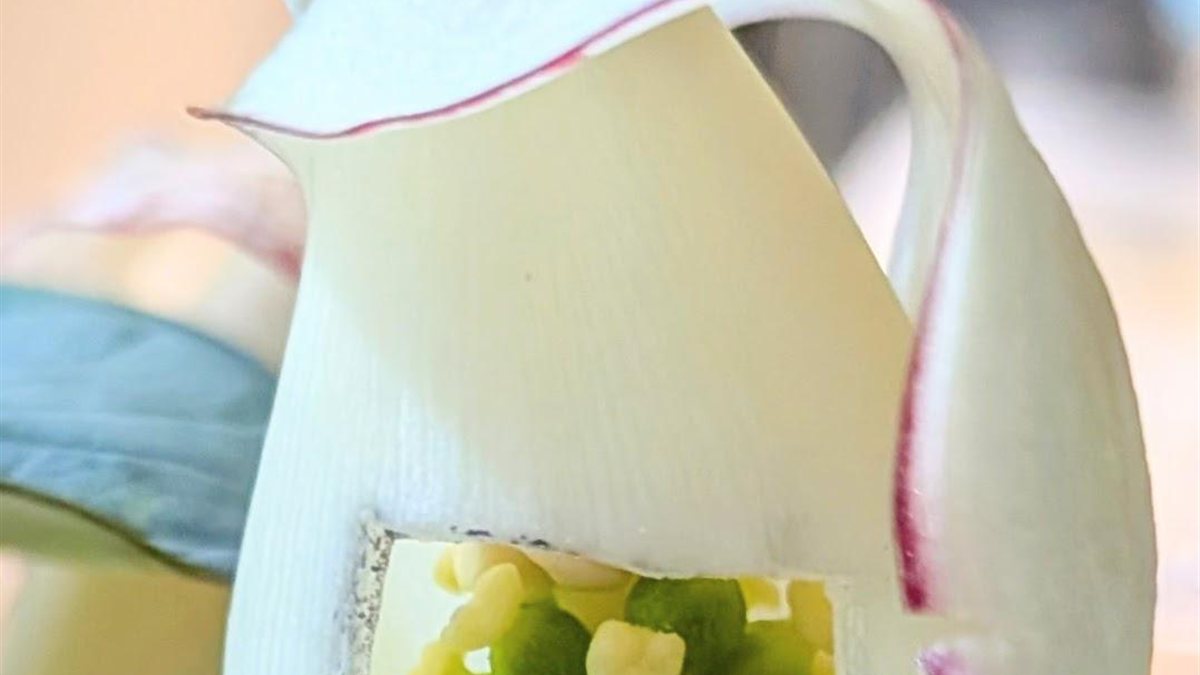
The owner described accessing the female flowers through a small opening in the spathe, using stored pollen for one attempt and fresh pollen for another. They reported three developing fruiting structures across the two plants.
They also said that ripening would take months, that the fruit could abort and that the seeds might not be viable. Those cautions belong beside the photographs, rather than being lost behind a headline announcing a finished new hybrid.
There are several milestones still ahead
- Fruit develops. This is the stage the grower reported.
- Seeds mature. Developing berries do not establish seed viability.
- Seeds germinate. A seedling is a further result, not something shown by a swelling berry.
- Seedlings grow and can be assessed. Their appearance and parentage need evaluation before making claims about the outcome.
The University of Minnesota’s flower-morphology chapter explains the reproductive structures involved in pollination. It provides background for understanding the experiment; it does not verify this collector’s cross.
A leaf pattern is not a guaranteed inheritance
The names of the parents may suggest striking foliage, but the post does not show mature offspring or establish what traits they will have. Avoid promising that a seedling will combine the parents’ most desirable features.
For the existing plants, our Dragon Scale care guide and Alocasia comparison guide help with identity and growing conditions. They are a better starting point than cutting open a flowering structure on an unidentified plant.
The story is an experiment in progress. Its appeal is watching the next stage arrive, with room for failure as well as a result worth sharing.