Your houseplant has slowed down, so you add fertilizer to give it a push. In November, that familiar response deserves a check before the next dose goes into the watering can.
Feed supplies nutrients. It does not lengthen the day or restore light lost when a plant moves away from the window.
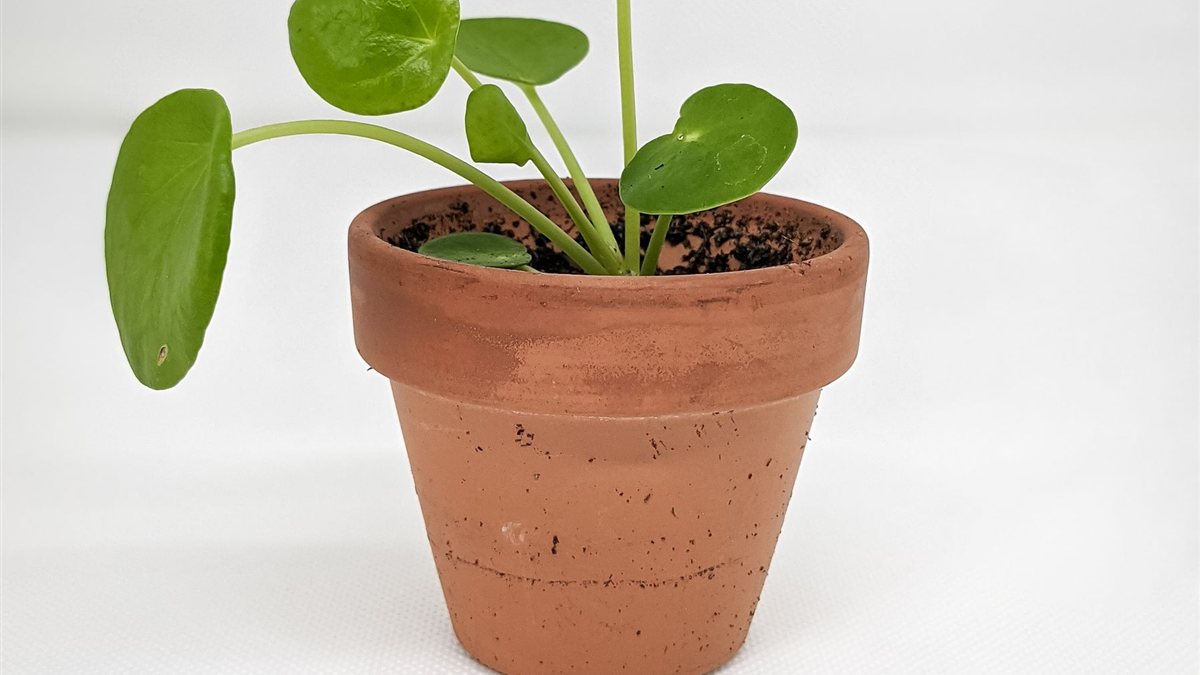
Look for growth you can describe
University of Illinois Extension recommends fertilizing plants when they are actively growing. It also warns that excess fertilizer can damage plants whose growth has slowed in dim light.
Compare a recent photograph with the plant now. Are new leaves expanding, or has the pot looked unchanged for weeks? A yellow leaf is a symptom to investigate, not proof that another dose is due.
Short winter days often reduce growth. A plant under suitable supplemental lighting may behave differently, so use its conditions rather than treating the month as a universal instruction to stop or continue.
Check what is already in the pot
- Read the mix label. Some products include fertilizer.
- Check the feed instructions. Confirm the concentration and interval you have actually used.
- Review recent changes. A new pot, damaged roots, or a darker position can affect the decision.
- Check moisture separately. A fertilizer dose is not a reason to water a pot that is still wet.
Our watering guide helps keep those two decisions distinct. Avoid combining a routine drink and feed when neither has been checked.
Use the guidance for the plant you own
A leafy tropical plant, flowering orchid, and resting cactus do not need one feeding calendar. Our cactus fertilizer guide illustrates why active growth matters for a different group.
If your plant is declining, inspect light, roots, and pests before trying to feed away the symptom. Keep a note of the last product and dose so you can assess the routine without relying on memory.
The next useful step may be pausing a summer habit while you establish what the plant is doing now.