The window seems like the best winter position: plenty of daylight, room for a pot, and no dark corner to worry about. Then the radiator underneath comes on. The plant is now sitting between a cold pane and rising hot air.
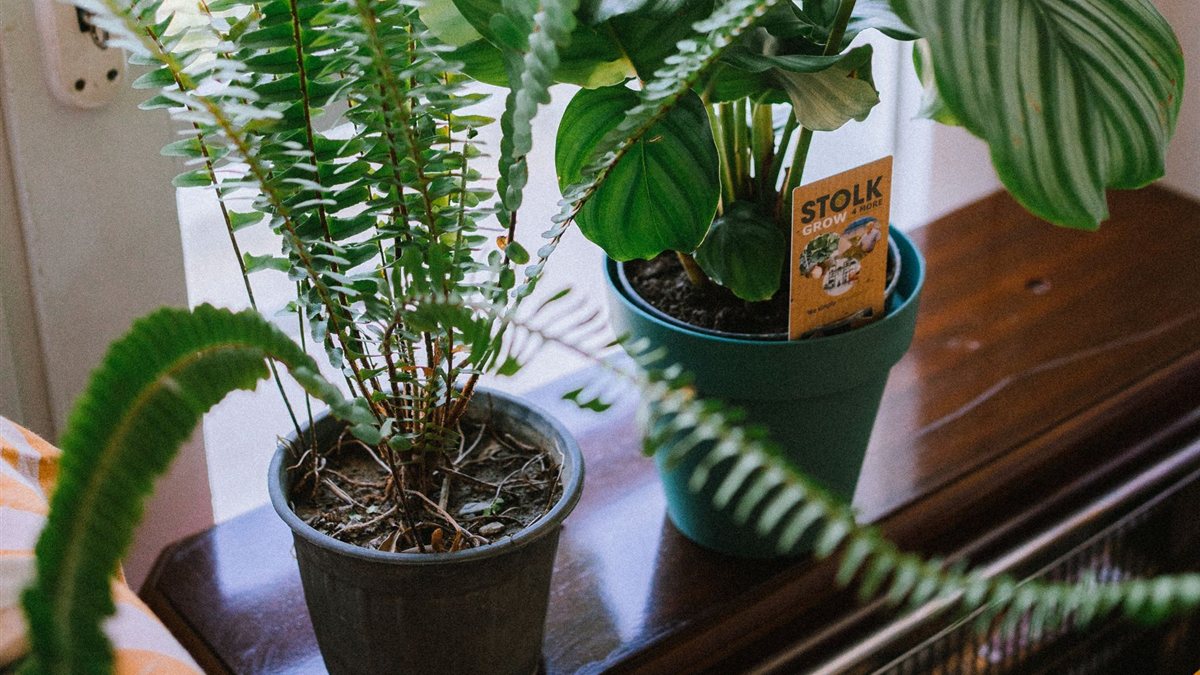
That does not make every windowsill unsuitable. It means the temperature beside the leaves deserves a separate check from the amount of light.
Check the spot while the heating is running
The winter-care suggestions at House Digest include keeping foliage away from heaters and warm-air paths. Walk over during an active heating cycle. Feel where the air travels and see whether leaves touch the glass. A comfortable room temperature does not describe every pocket beside a window.
If you use a thermometer, place it near the plant rather than on the far wall. Compare the reading when the heating is on and off. The aim is to identify a recurring exposure, not to blame one curled leaf on the first warm surface you find.
Move out of the airflow without abandoning the light
Illinois Extension advises avoiding hot and cold blasts from radiators, vents, windows and air conditioning. It also notes that cold glass can damage foliage. A stand beside the window may offer a better compromise than the shelf directly over the heater.
Look at the new position in daylight. Moving several feet into a room can reduce useful light, so keep the plant’s needs in view. Our guide to indoor light explains how to judge the exposure.
Do not compensate with constant small drinks
Check the mix before adding water. A plant in a direct warm-air stream may dry differently from the one beside it, but wet roots are not protection against every type of leaf stress. Adjust watering to the actual pot instead of watering the whole shelf together.
Our guide to watering habits that cause problems covers that distinction. Keep a note of drying time after changing the position, and inspect the newest growth rather than expecting old brown patches to turn green.
Preserve the daylight and remove the temperature extremes. Sometimes the fix is the width of a small stand, not a move to a dim room or a new watering schedule.