Container plants depend on a small volume of mix for water, air, and nutrients. Most problems start when the pot, planting combination, or care routine does not suit the plants. Avoid these seven mistakes when putting together a new display.

1. Choosing a pot without useful drainage
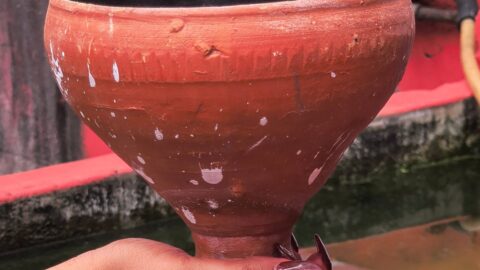
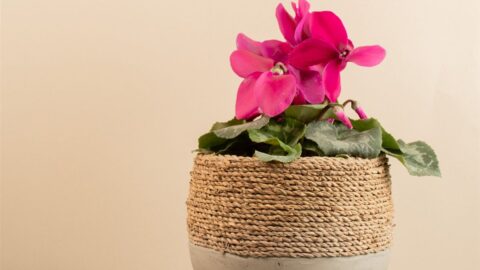
Use drainage holes and keep them clear. A pot inside a decorative container must still be able to drain, and runoff needs removing. Size the container for the plants’ roots and expected growth rather than appearance alone.
2. Combining plants with different needs
Group plants that can share the same exposure and watering pattern. A dry-growing succulent and a moisture-loving annual are difficult to manage in one root zone. Separate pots let you make a mixed display while caring for each plant appropriately.
3. Planting too densely
Check mature spread before filling every gap with another plant. Crowding increases competition for root space and makes it harder to inspect foliage. Leave enough room for growth; use height and leaf texture for variety rather than relying on more plants.
4. Watering every pot on the same schedule
Check moisture and pot weight. Weather, plant size, mix, and container material change how fast a pot dries. Water the root zone when needed and allow runoff to escape. The Illinois Extension container-watering guide explains why demand varies.
5. Adding fertilizer without checking the mix
Some potting mixes already contain feed. Follow the fertilizer label and account for that initial supply before adding more. Extra fertilizer cannot compensate for a plant sitting in the wrong light or waterlogged mix.
6. Filling pots with garden soil
Choose a potting mix suited to the crop and container. Soil taken straight from a garden can drain poorly in a pot and introduce weeds or pests. For advice on choosing and filling the pot, consult Illinois Extension’s container gardening guidance.
7. Misjudging the light
Assess the position through the day and check each plant’s needs before planting. Shade and sun shift with seasons and nearby buildings. Our guide to direct and indirect sunlight helps with indoor positions; for the next container change, see repotting plants.