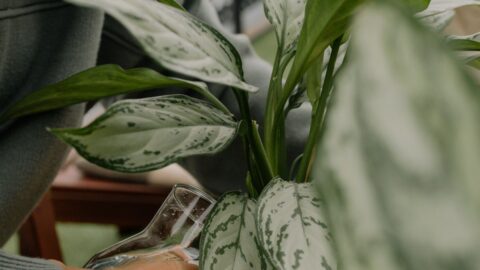
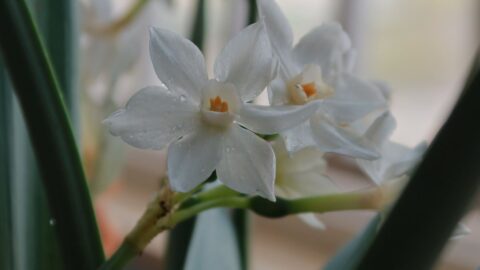
A plant flowering in fall may have needed planting months earlier. For an immediate autumn display, choose suitable established plants; for next year’s flowers, plan sowing or planting around each species and your climate. These eight choices span annuals, perennials, and a shrub, with different winter survival and establishment needs.

1. Balloon flower: check the cultivar’s flowering season

Platycodon grandiflorus has inflated buds that open into starry flowers, often in blue-violet, pink, or white. It is mainly a summer-flowering perennial, though some displays can extend later depending on cultivar and conditions. Do not treat it as a guaranteed late-fall bloomer everywhere. Plant for its long-term border position and check mature height. A flowering specimen now and seed sown now are different purchases.
2. Chrysanthemums: choose hardy plants for a lasting border

Mums provide familiar autumn color, but florist displays and locally hardy garden selections are not equivalent. University of Minnesota Extension recommends sun and drainage for its hardy garden mums. Late planting leaves less time for establishment before winter. Flower form also affects pollinator access, so do not assume every mum provides no nectar or pollen. Our mums guide covers the choices.
3. Ornamental amaranth: plan for a warm growing season

Amaranthus includes ornamental plants with upright or hanging flower clusters and colorful foliage. Many are grown as warm-season annuals, so they usually need starting earlier for a mature fall display. Frost can end the show. Choose an identified ornamental selection for its height and habit, and do not confuse growing a decorative plant with selecting a crop for food. Water according to the bed and weather rather than a twice-weekly rule.
4. Pansies: use their preference for cooler weather

Garden pansies suit cool-season containers and bedding where the local climate allows. Established plants can provide color after summer heat fades, while winter performance depends on cultivar, weather, and protection. They are not guaranteed to flower through every severe freeze. Choose suitable light and drainage, check container moisture, and remove spent blooms where useful. Our fall container guide offers further combinations.
5. Hardy fuchsia: a shrub with a longer flowering season

Fuchsia magellanica can carry hanging flowers from summer into autumn in suitable conditions. The RHS species profile describes scarlet sepals and a purple corolla, rather than blue flowers. Check the cultivar’s eventual size and local hardiness before planting. Hardy does not mean an exposed container survives every winter. Provide suitable light, establishment watering, and room for a woody framework.
6. Goldenrod: select the species and spreading habit

Solidago provides yellow late-season flower clusters, but the genus contains plants of different sizes and habits. Choose a species or cultivar suited to the region and available space rather than assuming every goldenrod behaves like an invasive weed. Some spread vigorously and need room. Appropriate native selections can support late-season insects. Check light and soil needs for the identified plant instead of imposing one weekly watering rule on the genus.
7. Sunflowers: sow early enough for the intended display

Helianthus includes annual sunflowers and perennial species, so planting and mature size vary. Annual seed usually needs sowing well before autumn to produce flowers before frost. Check days to flowering, eventual height, and support needs when planning. Choose a sunny position and enough root space. A ready-flowering pot can provide immediate color, but sowing the same plant in late fall may not produce a display that season.
8. Dahlias: keep established plants blooming until frost

Dahlias often continue flowering from summer into autumn when conditions suit them. They generally need starting earlier in the season rather than planting tubers at the end of August for instant flowers. Support tall selections and water the root zone as needed. Plan winter storage or protection where tubers cannot remain outdoors. Our deadheading guide explains managing spent flowers.
Separate immediate color from next season’s planting
Before buying, decide whether you want flowers this week, a perennial border for future years, or seed for a later season. Check regional planting dates, frost risk, and whether container roots need winter protection. For a different autumn job, our fall bulb guide covers plants put in now for later flowers. No single late-August date is best for all eight choices.