Hoya wayetii is a Philippine hoya with narrow, fleshy leaves and dark margins. It suits a hanging container or support where vines have room to extend. Stronger light can bring reddish tones to some leaves, but color should not be pursued by exposing an unacclimated plant to harsh sun. Healthy roots and useful light come first.

Check identity and allow room for the vines
Several narrow-leaved hoyas look similar, so keep the nursery label rather than identifying a plant from leaf shape or one flower-stalk color alone. NParks’ Hoya wayetii profile describes its leaves, flowers, and Philippine origin. Flowering time and fragrance vary with the plant and conditions; a fixed three-year wait is not a rule for every specimen.
Choose useful bright light
Provide bright indirect light, introducing stronger exposure gradually. A south-facing window can be useful with appropriate filtering, but is not automatically the best location in every home. A suitable grow light can supplement insufficient daylight. Our lighting guide explains the variables. Avoid treating redder leaf edges as proof that the plant needs still more intense exposure.
Check the whole pot before watering

Let the medium dry appropriately before watering thoroughly and draining the container. A fixed three-inch dry depth may describe almost the whole root zone in a small pot and very little in a deep one. Empty cover pots and saucers after watering. Thick leaves provide moisture reserves, but prolonged drought and persistently saturated roots can both damage growth. Adjust the interval as light and drying change.
Use an airy medium and a suitable container
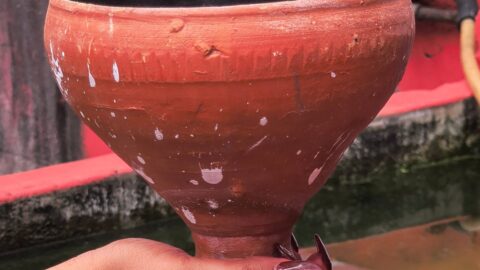
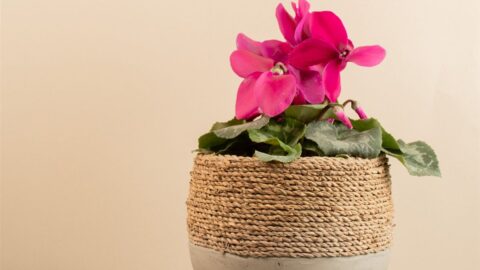
Choose a draining mix with enough structure and some moisture retention. Both plastic and terracotta pots can work when drainage and watering are managed; a woven basket is not compulsory. Hanging fixtures must support the watered container safely. Feed a healthy growing plant according to a suitable product’s label, considering nutrients already in the medium. Repot when the roots or degraded mix warrant it, increasing pot size modestly.
Keep conditions warm and preserve flowering points

Protect from frost, cold drafts, and heater airflow. Measure humidity if indoor air is persistently dry and consider a humidifier where needed. Pebble trays do not maintain a precise humidity level. Preserve old flowering peduncles that can bloom again. A long new leafless vine is not automatically a peduncle or dead growth, so inspect it before trimming.
Root nodal stem cuttings
Take healthy stem sections with viable nodes, remove lower leaves, and root them in an appropriate medium or clean water. Keep leaves above the rooting surface and provide bright indirect light with controlled moisture. Our cutting guide covers handling. Give roots time to establish before normal feeding. Trim selected unwanted vines with clean tools while retaining enough healthy foliage.
Manage pests by identification, not kitchen remedies

Inspect for mites, mealybugs, or scale before choosing a labeled control. Fungus gnat management needs attention to larvae and the medium; cinnamon scattered on the soil is not a dependable treatment. Our mealybug guide explains common signs. Spots or soft tissue can also involve roots or disease. Compare Hoya carnosa for broader foliage, checking the needs of each pot separately.