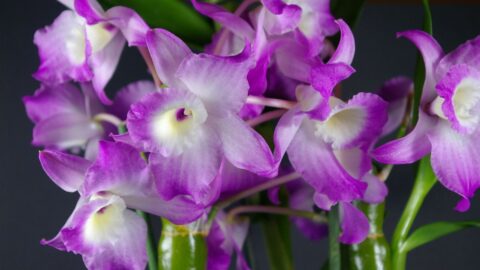
A Cymbidium has started sending up flower stems, and the living room seems like the best place to enjoy them. Before moving it, compare that room’s temperature with the place where the stems developed.
The warmer display spot may be less suitable while the buds are still growing. This is a moment to check conditions, not a reason to hurry the orchid toward its final position.
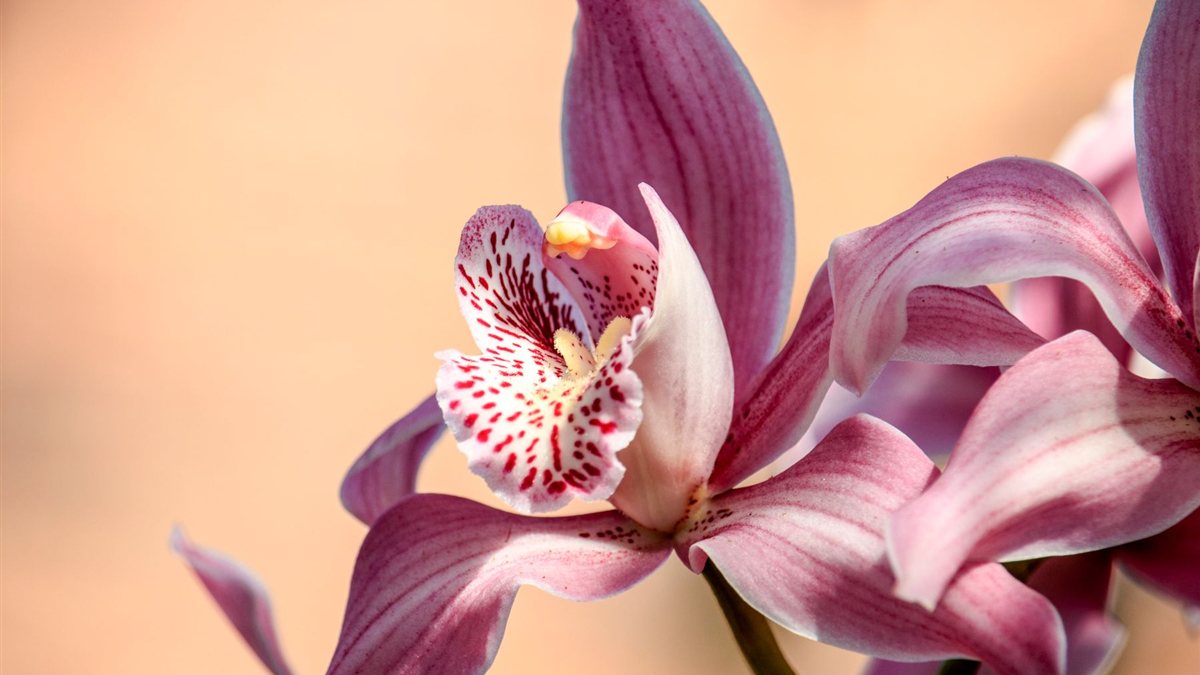
Developing stems and open flowers have different needs
The Royal Horticultural Society’s Cymbidium guide recommends keeping plants below 59°F (15°C) while their flower stems develop, to help prevent bud drop. Its advice on a warmer display is clear:
“Wait until the flowers have opened before moving plants into a warmer position”
Check temperatures at the pot rather than relying on the room’s name. A conservatory can warm in sunshine; a spare bedroom can cool more than expected overnight.
Cymbidiums are tender orchids. Cooler conditions do not mean exposing buds or roots to frost.
Keep room for the growing stems
Choose a bright location where curtains, door traffic, or nearby furniture will not catch the developing growth. If a flower stem needs support, place it with care rather than forcing a stake through roots.
Inspect the pot from more than one angle before inserting anything. A small adjustment made with a clear view is preferable to finding that a new shoot was pinned against the support.
Do not copy another orchid’s winter routine
A Cymbidium is not a Phalaenopsis, and the presence of flower buds does not settle how often its mix needs water. Check the medium and let surplus escape.
Our drainage guide helps assess an outer cover that might retain runoff. For feeding decisions, see our orchid fertilizing guide and follow advice for the group you own.
Photograph the stem’s development and note the conditions where it formed. Keep those conditions suitable and steady while the buds mature, then reassess the display position once flowers open.