Replacing dark potting mix with clean clay pebbles can look like a housekeeping upgrade. The bigger change happens below the leaves: you are changing how the root zone receives water, air and nutrients.
LECA means lightweight expanded clay aggregate. The pebbles support the plant, but they are not a bag of potting mix with a different appearance. A transition needs a plan for the container and nutrient solution.
The pebbles do one job; the solution does another
University of Minnesota’s hydroponics guide lists expanded clay among supporting substrates. It treats nutrients, water quality and root health as parts of the system. Clay pebbles do not supply a complete diet on their own.
Before taking a plant out of its pot, decide how you will check the water level, empty the container and provide nutrients intended for the method. Different setups use different reservoir arrangements; copying a water line from a photograph can conceal important differences.
A root change is still a disturbance
The first-person transition described by Gardening Know How offers an idea to investigate, not a guarantee for every houseplant. Start with a healthy, replaceable specimen rather than a struggling plant you cannot afford to lose.
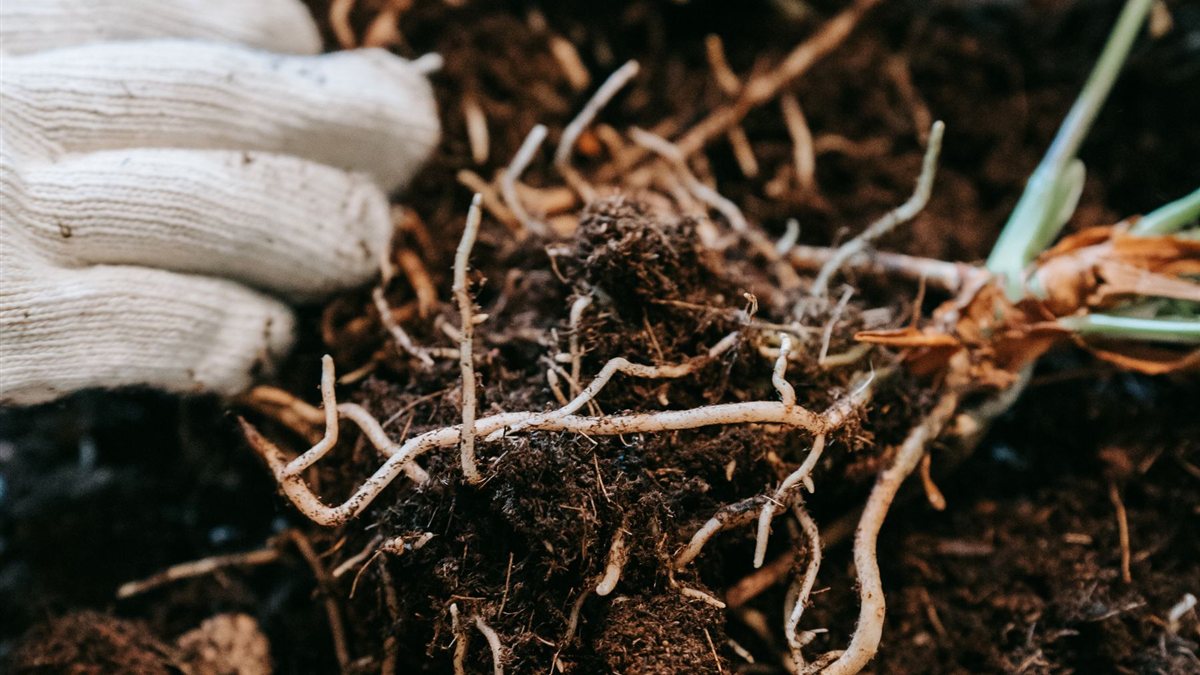
Inspect roots while removing the old medium. Work patiently; there is no prize for leaving them perfectly bare if doing so tears away healthy tissue. Do not leave pockets of decomposing material hidden where you can no longer inspect them.
Our container drainage guide is useful when comparing pot designs. A planned reservoir system and an ordinary soil pot standing in runoff are different arrangements. Know which one you are building.
Keep the first trial small
Record the plant, transfer date, solution and maintenance routine. Check the reservoir and roots, not just the leaves. Choose a setup you can lift and inspect without dismantling a shelf.
If the plant is a Monstera, our Monstera care guide still applies to its light and climbing needs. A new medium does not remove those requirements.
LECA does not eliminate maintenance or guarantee freedom from disease. The practical test is whether the new root-zone routine fits both the plant and the care you can provide.