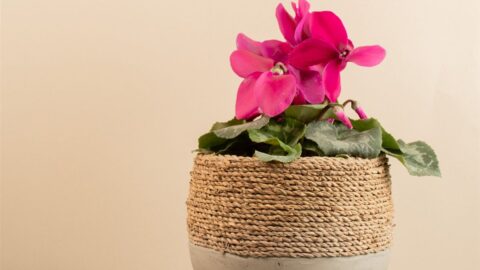
Impatiens fill warm-season beds and containers with colorful flowers, but the name covers different species and hybrid groups. Common garden impatiens, New Guinea types, and sun-tolerant hybrids do not all need identical exposure. Choose the group for your site, then provide steady moisture and protection from cold.

Read the label before choosing the site
Impatiens walleriana is commonly grown for shaded beds, while New Guinea and modern hybrid selections offer different foliage, flower sizes, and exposure tolerances. Beacon, Imara XDR, Bounce, and SunPatiens are breeding series rather than interchangeable species names. Iowa State Extension’s guide explains the main groups and disease-resistant options. The genus is not native only to North America.
Give flowers useful light without heat stress

Partial shade with gentle morning light suits many garden impatiens. Heavy shade can reduce flowering and produce stretched growth. Some modern hybrids tolerate stronger sun, so use the specific label rather than banning direct sun for every impatiens. Introduce greenhouse plants to outdoor conditions gradually. Our shade plant guide offers companion ideas for beds with similar exposure.
Keep moisture even in pots and borders
Check the root zone and water before prolonged drying causes severe wilting. Allow surplus water to drain from containers and empty decorative covers. Hot or windy hanging baskets can need much more attention than sheltered beds, but a fixed weekly volume is not suitable for every site. Our container watering guide explains the factors that change demand.
Use fertile soil and feed with care
Choose moisture-retentive soil with good drainage, or an appropriate container mix for pots. Avoid dense, persistently saturated conditions. Apply fertilizer according to the product label and the existing nutrient supply. Liquid and controlled-release products require different schedules; do not automatically combine them. Extra feed will not restore flowers lost to prolonged drought, cold, inadequate light, or disease.
Protect tender growth from cold

Plant outside when frost risk and local temperatures suit the chosen group. Acclimate indoor-grown specimens before exposure to wind and stronger light. Most bedding impatiens are treated as annuals in cold climates, even when the plant is perennial in frost-free conditions. A bright indoor display can be temporary, but a dark heated room is a poor substitute for suitable growing conditions.
Trim only when the plant needs shaping
Remove damaged growth and trim overly long stems to improve the outline, using clean tools. There is no requirement to prune every plant each month. Many bedding impatiens shed spent flowers without routine deadheading. Healthy stem cuttings can produce new plants when rooted under suitable conditions; seed is another option for seed-grown strains. Our cutting guide covers basic handling.
Take yellowing and leaf loss seriously
Check moisture, roots, pests, and the undersides of leaves before treating a declining plant. Downy mildew can cause yellowing, leaf drop, and collapse, and management differs from treating aphids or mealybugs. Choose resistant cultivars where appropriate and seek local guidance for suspected disease. Do not use an unidentified impatiens as a home treatment for bites, rashes, or poison ivy exposure.