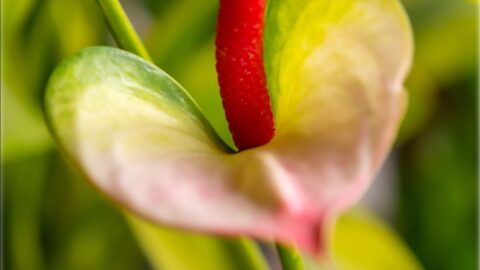
Choose a houseplant style around the space you have and the care you can provide. Large leaves, variegation, trailing stems, and mounted displays each offer a different look. The options below are design ideas, rather than unsupported predictions about the most popular plants of a particular year.


1. Plants for lower-light positions
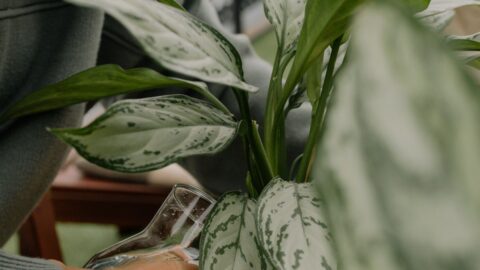
Chinese evergreens, snake plants, and some philodendrons tolerate lower light better than many flowering plants. They still need a useful light source, and growth is often slower. Low light also does not mean every plant uses the same amount of water.
2. Broad-leaved statement plants
Monstera deliciosa and rubber plants can create a focal point where there is room for mature foliage. Check the light at the intended position before filling an empty corner. Our rubber plant guide explains how size and care affect the choice.
3. Variegated foliage
Cream, pink, silver, or yellow markings can provide interest without flowers. Variegation varies by plant and may change between leaves. Give the plant suitable light rather than assuming a colorful cultivar will perform in a dim room. See our Marble Queen pothos guide for one example.
4. Small succulent displays
A small succulent can suit a sunny desk or windowsill if drainage and light are adequate. A sealed decorative bowl is harder to water safely than a pot with holes. Species differ in seasonal growth, so do not combine them solely because they are small.
5. Flowering orchids
A Phalaenopsis can provide a long-lasting display in a suitable position. Other orchid groups have different light and seasonal needs. Buy an identified plant and plan for care after flowering rather than treating the pot as a disposable ornament.
6. Foliage displays without air-cleaning promises
Pothos, peace lilies, and snake plants can be attractive indoor choices. They are not practical room air-purification systems. Drexel’s review of air-cleaning studies explains the limits of applying chamber experiments to buildings. Choose foliage for its appearance and growing needs.
7. Mounted plants
Staghorn ferns and some epiphytic orchids can be displayed on supports instead of in ordinary pots. Mounting changes watering and drying, and requires protection for the wall. Our staghorn fern guide explains the plant’s frond types and care.
8. Trailing plants with active growth
Pothos and heartleaf philodendrons can extend vines in good conditions. They do not offer instant growth, and insufficient light can create long bare gaps rather than a full display. Prune or propagate when appropriate for the shape you want.
9. Seasonal indoor-outdoor containers
A plant may spend summer outside and winter indoors where the climate allows, but it needs gradual changes in exposure. Check for pests before bringing it in and move it before damaging cold. The same window and patio do not provide equivalent light.
10. Plants with unusual structure
A textured begonia, climbing hoya, or sculptural succulent can provide interest without being rare. Look at the mature form and seasonal care before choosing. Avoid buying a specialist plant solely because a small specimen photographs well.
Questions to answer before buying
Check the botanical name, eventual size, available light, and toxicity where children or pets can reach it. Bonsai describes a cultivation style, not one toxic plant species, and feng shui symbolism does not establish plant health benefits. Use our guide to plants for homes with pets as a starting point for identifying suitable options.