

Unusual foliage, slow production, skilled training, and collector demand can all raise a plant’s price. A headline auction result is a poor guide to the cost of an ordinary nursery specimen, and yesterday’s rarity may become widely propagated. These examples explain the distinctions to check before paying a premium, rather than offering a permanent price ranking.
Pink Princess: judge the individual plant


Pink Princess is a cultivated philodendron grown for green and pink leaves. Price and availability vary, so compare the actual specimen rather than relying on an old claim that it is unobtainable locally. Look for healthy roots, viable growth points, and enough green tissue to support growth. Our Pink Princess guide explains its care. A heavily pink leaf is not a guarantee of identical future foliage.
Variegated minima: confirm the genus

‘Philodendron minima’ is often a trade label for Rhaphidophora tetrasperma, which belongs to a different genus. A variegated example should not be described as a variety of Philodendron erubescens. Ask for the botanical name and photographs of the actual stem, nodes, and roots. Our Rhaphidophora guide covers the plant behind the familiar split-leaf silhouette.
Philodendron tortum: distinctive leaves are not a price guarantee

Philodendron tortum is a species with finely divided foliage, not a member of an ‘erubescens family’. Its unusual appearance can appeal to collectors, but cultivation and supply influence retail prices. Choose a healthy established plant and check its growing requirements. Our tortum care guide explains the setup it needs.
Variegated billietiae: inspect the growing point

A variegated Philodendron billietiae can attract a collector premium, but the quality of a particular plant matters. Ask whether it is rooted and actively growing, and inspect how variegation appears along the stem. A photograph of the parent is insufficient evidence for an unrooted cutting’s condition. Avoid paying for a promised future pattern that cannot be guaranteed.
Bonsai: training and provenance matter


Bonsai describes a cultivated presentation, not a single species. A tree’s age, design, health, training, and documented history can affect its value. A juniper, maple, or tropical tree also needs care suited to that species. Many temperate bonsai belong outdoors and need seasonal conditions; misting cannot replace correct watering or winter care. Buy a tree you can maintain, with a clear explanation of its requirements.
Juliet rose: separate a bouquet from a living plant

David Austin’s Juliet listing identifies the rose as ‘Ausjameson’ and sells it as a cut-flower bouquet. The development cost of a rose is not the price of each flower or plant. Compare like with like: a bouquet, a commercially produced cut stem, and a nursery rose bush are different purchases with different uses.
Monstera obliqua: verify identification and conditions

Monstera obliqua is not simply a variegated Monstera adansonii. Leaf holes alone are an unreliable buying test, especially on young plants. Ask for provenance and clear photographs, then check whether you can provide the required conditions. Our obliqua guide covers the plant. A fixed 12-to-18-month interval for every new leaf is not a useful growth expectation.
Mini monstera: a common name can mislead

Mini monstera usually means Rhaphidophora tetrasperma, not a miniature botanical form of Monstera deliciosa. Standard green plants and unusual variegated stock should not share a blanket collector price. Check the exact plant, rooting stage, and cultivar information before comparing listings. The name alone does not establish rarity or a premium value.
Monstera albo: evaluate health alongside variegation

White-variegated Monstera deliciosa can show striking blocks and streaks of color. Inspect roots, viable nodes, and the balance of green tissue. A cutting is a different proposition from an established plant. Our albo guide explains its care, while Thai Constellation is another cultivated option with its own pattern.
Tulip mania is history, not a modern shopping guide

Historic tulip speculation is often used to illustrate plant collecting, but it does not establish current bulb values. Treat images of historic cultivars as historical examples rather than evidence that authentic bulbs are available from any online seller. For a practical garden purchase, choose clearly identified bulbs suited to your climate and flowering plan, with reliable storage and delivery information.
Shenzhen Nongke: distinguish a reported story from available stock

The Shenzhen Nongke orchid appears in many expensive-plant lists, but repeated auction anecdotes do not establish what a buyer can obtain today. Before accepting a record price, look for documentation identifying the plant, transaction, and date. An image accompanying the story does not verify that a retail listing is the same plant. Avoid using an unsupported historic figure as a current valuation.
Kinabalu orchid: prioritize documented nursery origin

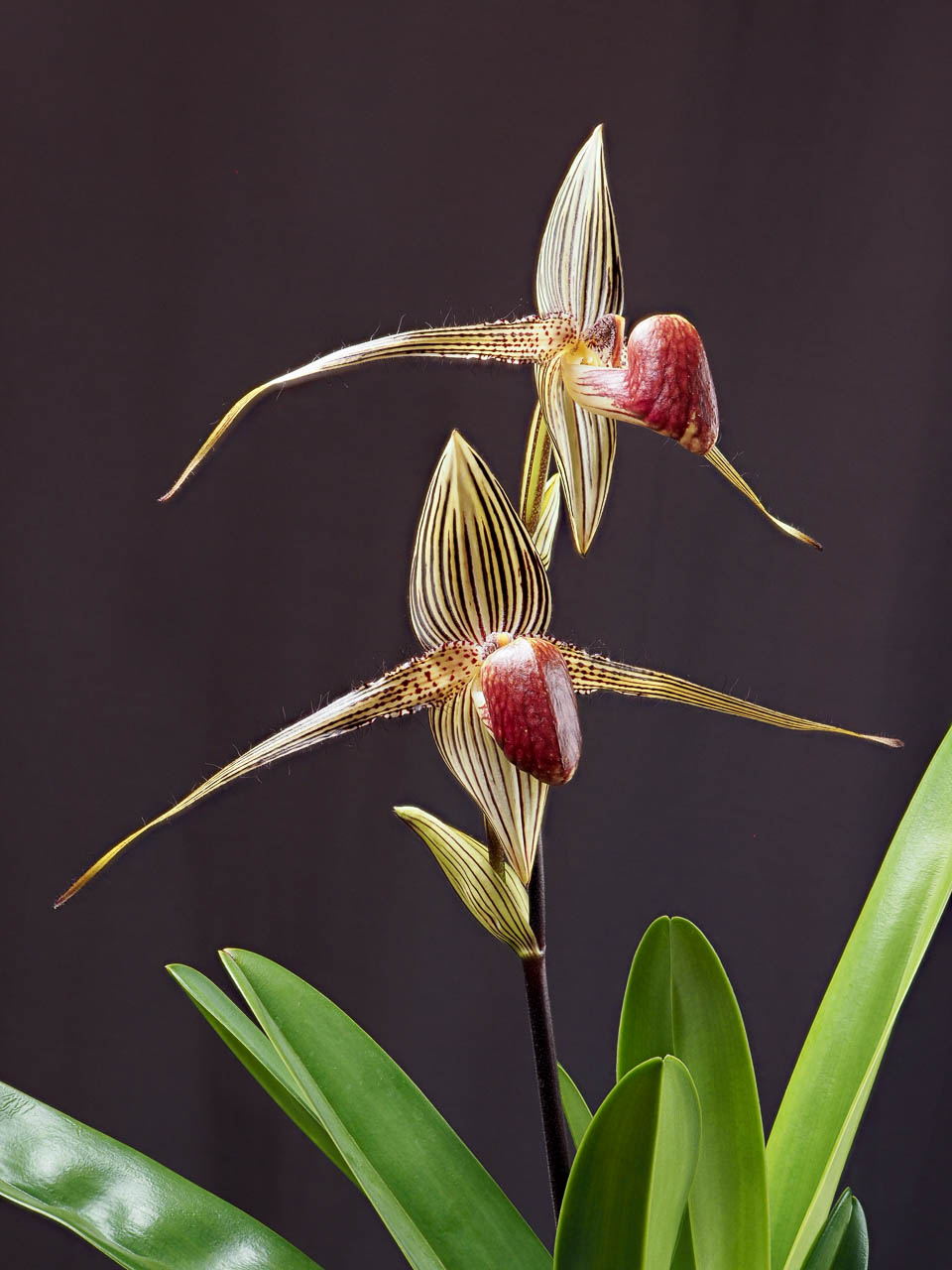
Paphiopedilum rothschildianum is a conservation concern, not merely an expensive collectible. Kew describes Rothschild’s slipper orchid as critically endangered and discusses threats from collecting and trade. Buy only from reputable sources that can explain nursery origin and any documentation needed for the transaction. A bargain is not a reason to overlook a plant’s provenance.
Kadupul: a brief bloom does not establish monetary value

Kadupul is a common name associated with night-blooming cacti such as Epiphyllum oxypetalum. A flower’s short lifespan does not make the living plant literally priceless or impossible to propagate. Our Queen of the Night guide explains the white-flowered cactus and its care. Separate the appeal of a fleeting flower from unsupported value claims.
Alocasia azlanii: buy for the plant you receive

Alocasia azlanii is grown for dark, reflective foliage. Color varies with leaf maturity and viewing conditions, so ask for clear photographs of the actual specimen. Check roots, growing points, and any signs of pests. A label saying ‘rare’ is not a substitute for identification, and an old price range should not determine what you pay today.
Saffron: the spice and the plant have different costs

Saffron comes from the dried stigmas of Crocus sativus flowers. A small yield and labor-intensive harvesting help explain the spice’s value, but that does not mean each corm is exceptionally expensive. Keep the botanical identity clear and never substitute another crocus-like flower for food use. Compare corm quality, quantity, and suitability for your climate when buying plants.
Compare equivalent plants before paying a premium
Compare the same identification, size, rooting stage, and condition from reputable sellers. Ask about shipping, acclimation, and what happens if the plant arrives damaged. Plan the growing space and care before buying. Collecting can be enjoyable, but propagation and resale do not guarantee a profit. Our rare houseplant guide offers more plants to research.


Do you buy plant