

A moth orchid can flower again after its first display, provided its roots and leaves stay healthy. Most plants sold for the home are Phalaenopsis hybrids. They need an airy root environment, bright filtered light, and watering that responds to the potting medium rather than a fixed weekly routine.

Give the leaves useful light without scorching
Place the orchid near a bright window with protection from harsh exposure. An east-facing position often works; assess the actual light and seasonal changes in your home. A suitable grow light can supplement a dim room. Yellow leaves have several possible causes, so inspect their age, roots, and recent conditions before moving the plant into deeper shade.
Keep temperatures comfortable and stable

Warm indoor conditions suit many common hybrids. Keep the plant clear of heater blasts, cold glass, and abrupt temperature changes, especially while buds develop. A bathroom is suitable only when it also provides adequate light and airflow. Where the air is very dry, measure humidity and consider a humidifier while keeping leaves and the crown from remaining wet.
Use airy orchid medium and a draining pot
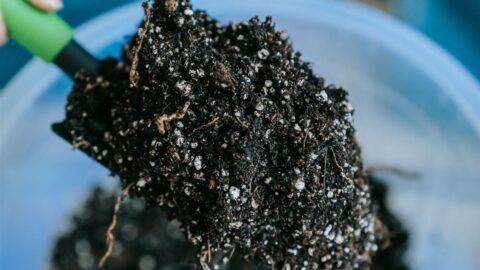
Choose a medium suited to your watering habits, such as an appropriate bark-based orchid mix or carefully managed sphagnum. Ordinary dense houseplant soil is unsuitable for these roots. A clear pot makes inspection easier, but drainage is essential regardless of pot color. Keep the crown above the medium and empty any decorative outer container after watering.
Water thoroughly as the medium approaches dry


Check inside the pot, not only its surface. Bark and tightly packed moss can dry at different rates. Wet the root ball evenly with suitable room-temperature water, then let it drain fully. Keep water from collecting in the crown and leaf axils. Root color can help, but combine it with medium moisture and root firmness. Our orchid watering guide explains why intervals vary.
Repot when the medium or roots need attention
Repot after flowering when practical, or sooner if serious root problems require intervention. Ease attached roots from the pot gently. Remove dead, collapsed roots with clean tools while preserving firm living roots, including healthy aerial roots. Replace broken-down medium and choose a container that fits the remaining root system. Follow our orchid repotting guide for the process.
Support growth before encouraging reblooming

Feed according to a suitable orchid fertilizer’s label and your water and medium conditions. After flowers fade, remove a dead spike. A green spike on some hybrids can branch, but cutting above a node does not guarantee another display. The American Orchid Society’s Phalaenopsis guide describes cooler autumn nights over several weeks as a flowering stimulus for many types. Avoid abrupt chilling. See care after blooming for spike options.
Separate keikis only when they are established
A keiki is a young plant that may develop on a flower spike or near the base. Allow several healthy roots and leaves to develop before considering separation. Basal growth may share tissue with the parent and should not be pulled away casually. A bare aerial root or single leaf cannot replace a complete growing point. Our orchid propagation guide compares the methods.
Inspect decline before changing several things
Check roots, pests, moisture, and recent exposure when leaves soften or buds fall. Existing damage may remain visible after care improves. Keep sprays and fertilizer off flowers, and keep the pot where animals cannot knock it over or chew the medium. Phalaenopsis care should be adjusted to the particular hybrid when a reliable label provides more specific requirements.

Discussion