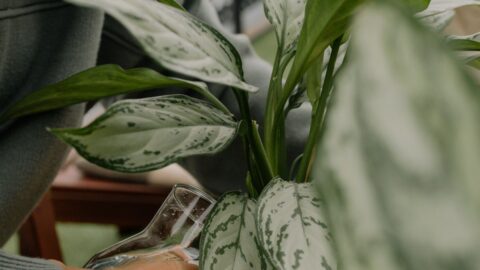
The newest leaf looks perfect, the pot fits your shelf, and the price is tempting. Before taking a houseplant to the checkout, look at the parts facing away from you.
A quick inspection will not reveal every problem. It can, however, catch warning signs that a glossy leaf viewed from above does not show.

Turn a leaf, then follow its stalk
University of Minnesota Extension recommends checking both leaf surfaces for insects, webbing, holes, and eggs. Look into leaf joints and around tender new growth as well.
Do not scrape or pull at the shop’s plant to test a suspicion. Photograph an unfamiliar mark and ask staff about it. Sticky patches, cottony material, or moving specks deserve a closer look; one damaged old leaf does not establish an infestation.
Homes & Gardens’ buying checklist also encourages looking beyond an attractive display. Treat the entire plant as the purchase, including what is happening in the pot.
Check the container without dismantling it
- Look underneath. Can water leave the nursery pot, and is it standing in a full outer cover?
- Check the base. Soft, collapsing tissue needs an explanation before you buy.
- Compare the growth. Inspect older leaves and new shoots, not just the leaf facing the aisle.
- Ask about recent care. A freshly watered pot should be judged differently from one sitting wet for days.
Our drainage guide helps assess the container. Avoid buying a suspect specimen on the assumption that immediate repotting will solve everything.
Give the new arrival its own space
Once home, keep it apart from your collection while you monitor it. Recheck the undersides during routine care rather than relying on a clean first glance.
Use our watering mistakes guide before giving a welcoming drink to a pot that may already be wet. A minute spent inspecting the plant is easier than diagnosing several affected neighbors later.