The days are shorter, your plants look farther from the light, and a grow light is on your shopping list. Before adding equipment, check the glass between those leaves and the outdoors.
Dust, grime, and marks on a window are barriers you can remove. Cleaning will not create a sunny exposure where none exists, but it is a sensible first job before assessing the light that remains.
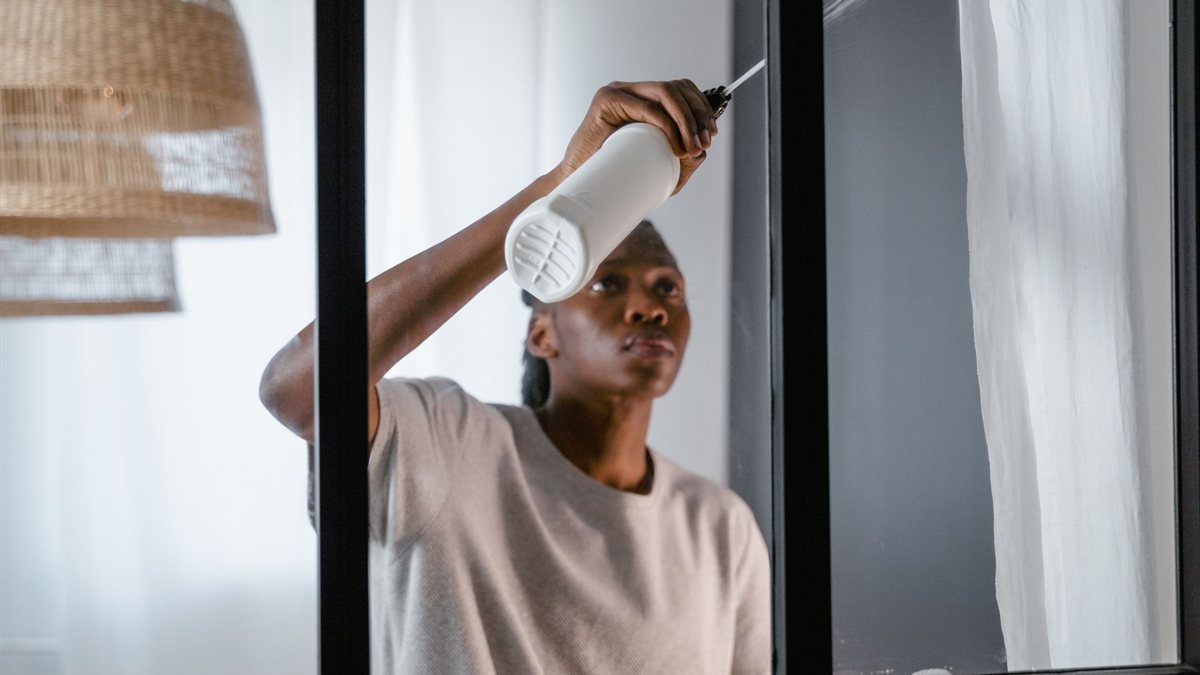
Remove the barrier you can see
Homes & Gardens highlights November window cleaning as a way to help daylight reach indoor plants during the darker months. The benefit depends on the starting condition of the glass; do not expect a fixed improvement in plant growth.
Move nearby plants before using cleaning products. Protect their leaves and growing medium from overspray, and return them only when the sill is clean and dry.
Clean exterior glass only where you can reach it safely. An inaccessible upper window is not a reason to improvise a risky cleaning setup.
Then look at the whole light path
- Check whether blinds or curtains cover the plant during daylight hours.
- Look for furniture or other foliage shading it.
- Compare the plant’s position with the window, rather than judging the brightness from across the room.
- Note how the available light changes through the day.
University of Minnesota Extension’s lighting guidance helps match light levels and supplemental lighting to plants. A clean window is one part of that assessment.
Buy a light for the remaining need
If the plant still receives too little light, choose a suitable brighter position or supplemental lighting. Our direct and indirect light guide can help describe the difference.
Check the temperature before pushing a pot against the glass. Our article on window seats and heating explains why the brightest-looking spot deserves a second check.
Clean first, assess second, and choose additional lighting for the conditions you actually have.