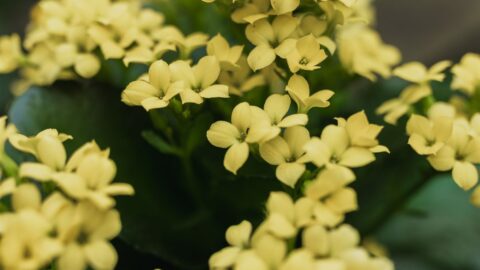
The last Hoya flower falls, leaving a short, bare stalk behind. It looks like something to tidy away. On Hoya carnosa, that small spur can be the place where another flower cluster forms.
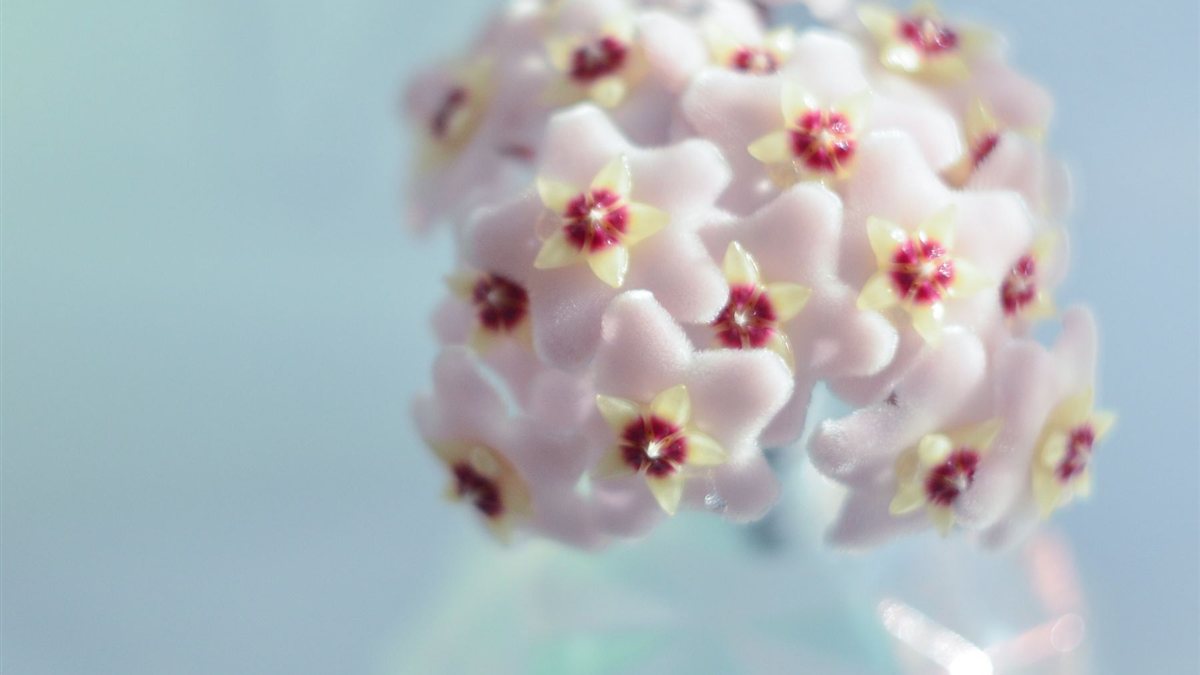
Keep a healthy flowering spur after the display ends. Removing it can mean removing a site the plant would otherwise use again.
Find the flowering spur before making a cut
NC State Extension calls the structure a peduncle, or spur, and advises against pruning the one that has already carried flowers. It can produce repeat blooms over several years.
Check these details while the last flowers are still attached, so you can recognize the structure later:
- Trace the flower cluster back to its short stalk.
- Photograph where that stalk meets the vine.
- After the flowers fall, compare the bare spur with that photograph before removing anything.
A long exploratory vine and a short flowering spur are not the same structure. “Bare” alone is not a useful reason to cut either one. If you cannot identify what you are looking at, leave it in place until you can.
Keeping the spur preserves an opportunity, not a guarantee
The Hoya entry in Gardening Know How’s houseplant selection highlights this repeat-flowering habit. The next cluster still depends on a plant receiving suitable care; the old spur is not a timer.
For H. carnosa, NC State recommends bright indirect light and a loose, fast-draining medium. Our Hoya carnosa care guide covers those needs in more detail. Do not compensate for a flowerless period by keeping the roots wet or adding stronger feed.
If a part is damaged or diseased, assess that problem on its own. Preserving healthy spurs does not mean retaining rotting tissue. Make any necessary cuts with clean tools and a clear view of the affected section.
Our Hoya shepherdii guide covers another Hoya grown for its leaves and flowers, but check the species before assuming every Hoya follows an identical routine. For a healthy carnosa finishing its bloom, the simplest useful action may be putting the pruners down.