

Crassula perforata grows pairs of fleshy leaves around branching stems, creating the stacked look behind the name string of buttons. Give this succulent useful light, a draining container, and a drying period between waterings. Stretched new growth and soft declining tissue need different care responses.

Give new growth enough light

Choose a bright position and acclimate stronger sun gradually. A suitable grow light can supplement a dim window. Long gaps between new leaf pairs may indicate insufficient light, although existing stretched growth will not compress after the position improves. Avoid forcing pink edges through severe heat or drought stress. Our succulent light guide explains how exposure differs indoors and outside.
Protect the pot from temperature extremes
Keep a container-grown plant away from frost and abrupt cold exposure. A dry pot does not guarantee protection from freezing. Strong heat against glass can also damage tissue, especially after a sudden move. Choose steady conditions and assess whether the plant is actively growing before changing water or feeding. A South African origin alone does not establish one universal indoor dormancy calendar.
Use a draining pot and suitable succulent medium

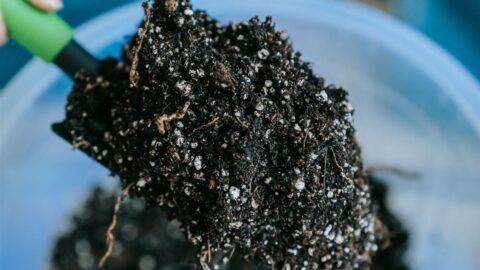
Match the container to the roots and use an open mix that avoids prolonged saturation. A commercial succulent mix may work, with amendments where its structure and your growing conditions require them. There is no mandatory 50:50 recipe for every pot. Our container guide covers drainage and size. Repot when crowding or deteriorated medium calls for it rather than automatically every year.
Water after checking the medium
Allow the root environment to dry appropriately, then water evenly and let excess escape. Empty the saucer or outer container. Check deeper moisture where the surface is misleading. Drying rate changes with light, temperature, pot size, and growth. Our succulent watering guide explains the method. Shriveling can follow prolonged dryness, but damaged roots can also leave foliage poorly hydrated in a wet pot.
Propagate healthy stem tips

Take a sound stem cutting with viable growing tissue using clean tools. Allow the cut surface to dry and seal in an airy shaded position, then root it in suitable draining medium. Keep the plant stable in bright filtered light and manage moisture cautiously while roots develop. Leave healthy growth on the parent if you want it to branch again. See our propagation guide for the general approach.
Feed active growth and inspect decline
Use a suitable succulent fertilizer according to its label and the nutrients in the mix. Avoid feeding damaged roots to try to force recovery. Soft stems, spreading dark tissue, or continued leaf loss warrants inspection of moisture, roots, and pests. Firm old scars may remain cosmetic. Our succulent troubleshooting guide helps distinguish likely causes.
Keep the identity and pet assessment specific
The RHS cactus and succulent guide covers broader container care. Retain the Crassula perforata label when comparing similar stacked-leaf plants. Absence from a toxicity database does not prove a plant safe to chew. Keep it away from pets and children, and obtain veterinary advice after a concerning exposure rather than transferring a safety claim from another Crassula species.

Discussion