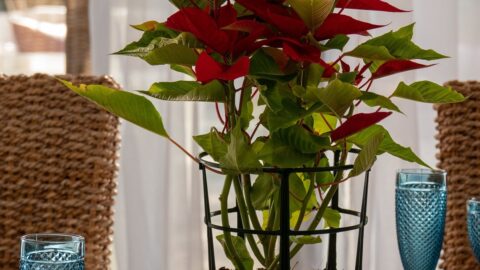
A plant looks unhappy in November, and a fresh pot seems like a fresh start. But changing the container can either address the cause or add another disturbance. The difference starts with why you are repotting.
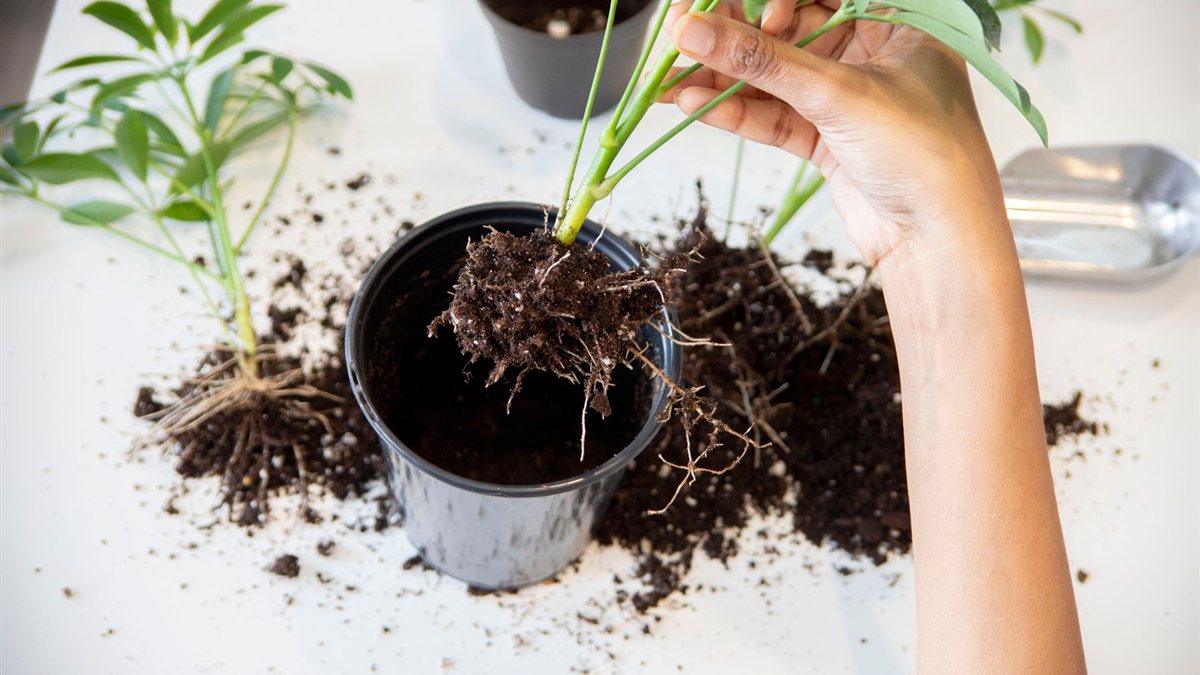
For a healthy plant that simply needs a routine upgrade, waiting for active growth often makes sense. A damaged root environment is a different problem from a pot you have grown tired of looking at.
Sort the reason before changing the pot
- The plant is healthy, but the display looks tired: consider a different outer cover without disturbing the roots.
- The root ball is crowded and watering has become difficult: inspect it and plan a suitable upgrade.
- The pot traps water or the medium stays saturated: assess drainage and root condition rather than waiting on the calendar alone.
- Roots or the crown are deteriorating: identify the damage before choosing the treatment and container.
The autumn advice discussed by Tom’s Guide is a reason to avoid unnecessary disturbance, not a rule that every plant must remain in a failing root environment until spring.
Illinois Extension recommends repotting during active growth, often in spring or early summer. It lists root crowding and changes in normal growth or watering among reasons to assess the pot.
Change what the inspection justifies
If repotting is needed, choose a container and medium for the roots you have. A much bigger pot is not an automatic benefit. Inspect drainage, preserve healthy tissue and avoid burying the plant deeper to make it look tidier.
University of Maryland Extension’s potting guidance emphasizes a porous medium that retains moisture while allowing aeration and drainage. A decorative gravel layer cannot replace those properties.
Our guide to repotting mistakes covers avoidable damage. Check our drainage guide before moving the plant into a container that hides runoff.
Afterward, keep the conditions steady and check the medium before watering again. Repotting should solve a specific root-zone problem. It is not a reset button for every leaf that looks wrong.