You pour water into a pot, see it come out underneath, and put the plant back. Hours later it still looks thirsty. The runoff seemed to prove you had soaked the roots, but water may have found a route around them.
Very dry potting mix can resist wetting. A gap between the shrunken root ball and the pot gives water another easy way down.
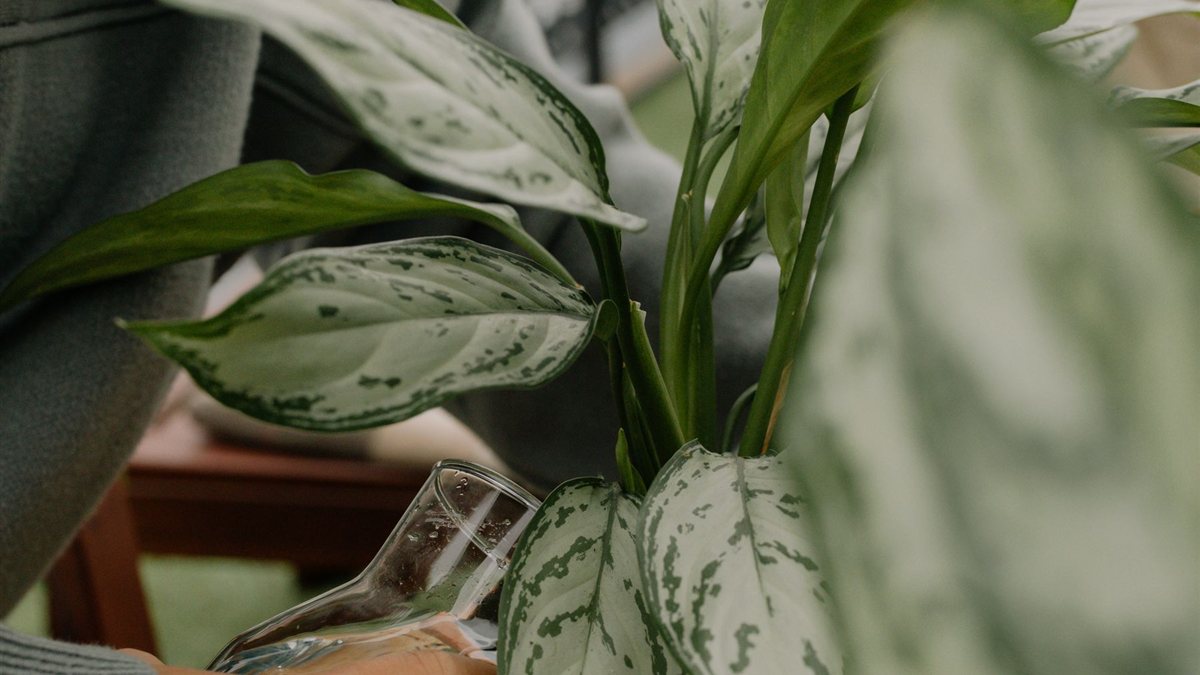
Runoff shows an exit, not complete coverage
UC Master Gardeners of Santa Clara County describes rewetting hydrophobic soil with slow watering or soaking. The aim is to let the mix absorb water rather than letting each pour race past it.
Before repeating the process, check whether the center is actually dry. Compare the pot’s weight with its weight after a proper watering, and inspect moisture beneath the surface where you can do so without damaging roots.
A wilting plant in wet compost is a different problem. Do not add a long soak just because the leaves droop.
Rewet gradually, then drain
- Put the pot somewhere runoff can escape. Remove its decorative cover.
- Apply water slowly. Pause between small applications to give the mix time to absorb it.
- Check the root ball again. If dry mix still resists water, a temporary bottom soak may help it take up moisture.
- Remove the pot from the water. Let excess drain before returning it to the display.
Our drainage guide explains why standing runoff should not remain part of the setup. Bottom soaking here is a rewetting method, not an instruction to leave every plant in a reservoir.
If it happens at every watering
Review the mix, container, and how dry the root ball becomes between drinks. Repeatedly pouring more water down the same channel does not resolve the reason it bypasses the roots.
Check our repotting mistakes guide before changing pots. A larger container is not automatically the answer to mix that will not wet.
The useful check comes after the runoff: did water reach the root zone, or merely pass the pot on its way out?