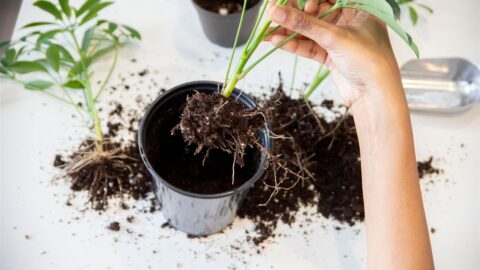
The plant spent summer outside and looks ready to return to its usual shelf. Before placing it beside the rest of the collection, turn over a few leaves. Pests that were easy to miss outdoors can become harder to manage once the pots are close together inside.
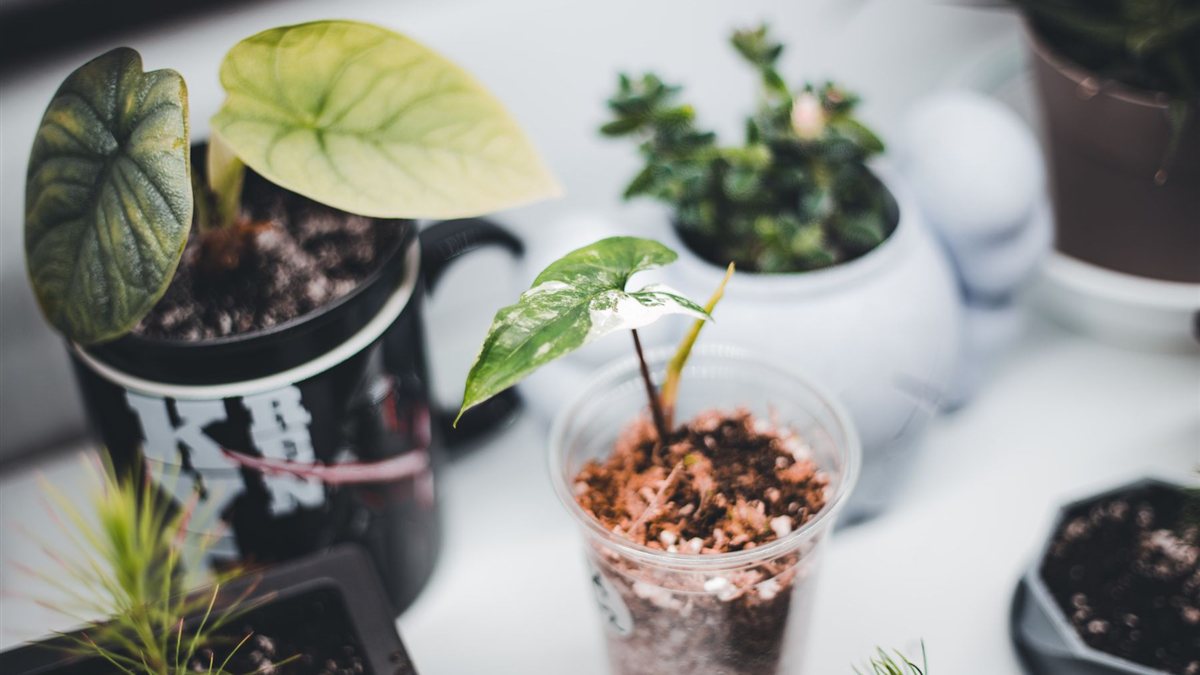
Guidance on bringing plants indoors at Tom’s Guide makes the seasonal move a useful checkpoint. The same inspection matters for a newly purchased plant or one received from another grower.
Work through the plant, not just the visible leaves
- Leaf undersides: inspect for moving pests, eggs, fine webbing or sticky deposits.
- Stem joints and leaf axils: look into sheltered gaps where small pests can gather.
- New growth: check folds and emerging leaves without tearing them open.
- The container: inspect the rim, base, drainage holes and outer cover.
- The growing medium: note small flying insects, standing water or debris that needs attention.
University of Minnesota Extension recommends inspecting returning plants and keeping them separate from established houseplants. That separation gives you a chance to detect a problem before neighboring pots are involved.
Take clear photographs of anything suspicious. An identification comes before choosing a treatment: a pest, harmless debris and part of the plant can look similar at a glance.
Keep checking after the move
A clean first inspection does not prove that a plant is pest-free. Recheck the leaves and pot while it settles indoors. If symptoms appear, keep it separate and identify the cause before spraying or dosing the soil.
Our Alocasia pest guide and Monstera troubleshooting guide show how plant condition and pests can overlap. Use the guidance that matches the species rather than treating the whole collection on a guess.
Give the returning plant suitable light and protection from cold drafts or direct heating airflow. Do not leave a tender plant outside in damaging cold just to complete an inspection routine; move it to a separate suitable indoor area.
The useful habit is a staging step between outdoors and the shared shelf. A few checks now are easier than tracing a new infestation through every plant in the room.