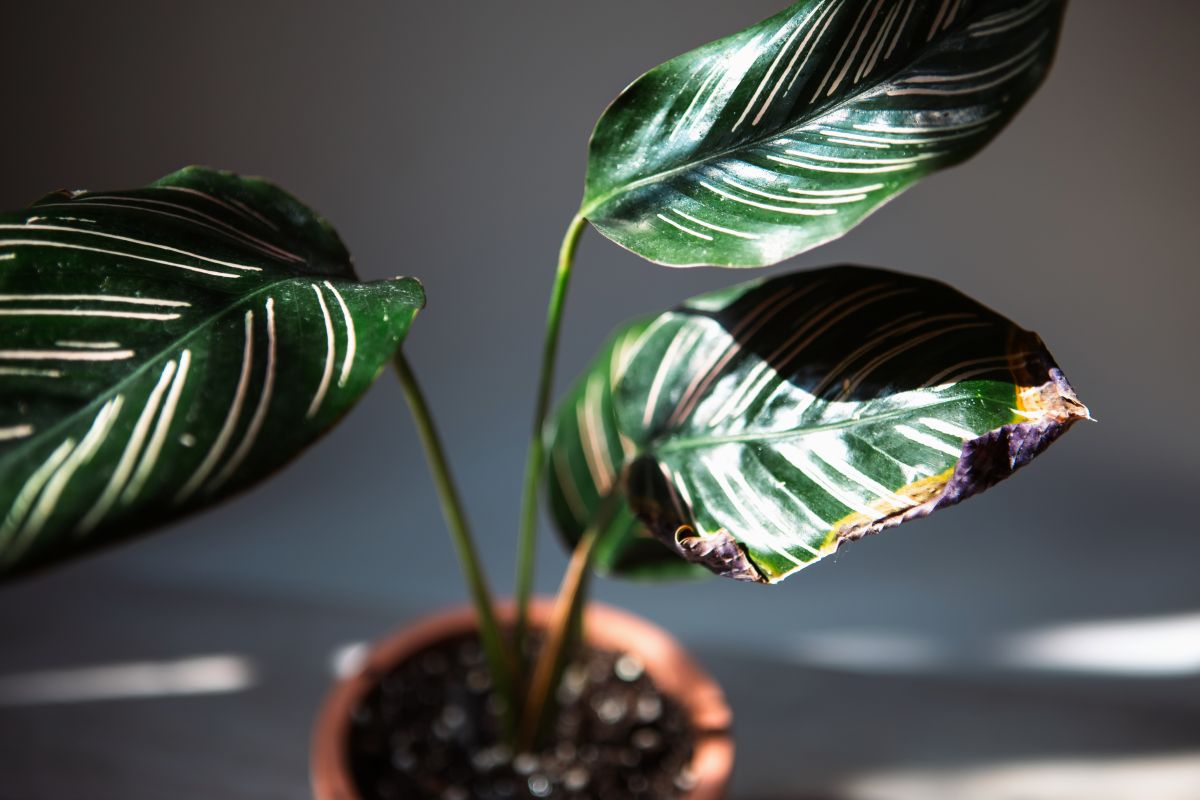
I used to think low-light plants had to be boring. If a plant didn’t get sun, I assumed it would be all green, slow-growing, and forgettable. The nerve plant completely changed that assumption for me.

The first time I brought a nerve plant (Fittonia albivenis) home, I placed it far from the window without much expectation. Instead of fading, its leaves stayed vivid, patterned, and surprisingly expressive. It quickly became one of the most visually striking plants in my home, even without direct sunlight.
What makes the nerve plant stand out
The leaves are what draw you in. Every nerve plant looks slightly different, and that variation is part of the appeal.
What I notice most about mine:
- Dense, compact growth
- Leaves marked with bold, contrasting veins
- Color combinations that feel almost painted on
I’ve grown varieties with green leaves and red veins, as well as silver-toned leaves with white veining. Even at under a foot tall, the plant makes a strong visual statement.
Why it works so well without direct sunlight
The nerve plant evolved under rainforest canopies, where light is filtered rather than intense. That natural background explains why it performs so well indoors.
In my home, it has done well:
- Several feet away from windows
- In rooms with sheer curtains
- In spaces where sunlight is indirect or inconsistent
Direct sun is the one thing I avoid. I learned quickly that strong afternoon light can scorch the leaves, dulling their color almost overnight.
Where I like to place nerve plants
Because of their size and texture, I use nerve plants where detail matters more than height.
My favorite spots include:
- Side tables
- Shelves with indirect light
- Bathrooms with soft, natural light
They brighten up small areas that taller plants would overwhelm.
How I care for my nerve plant
This plant is not difficult, but it does require attentiveness.
Light
- Indirect or filtered light only
- No south-facing windows without a sheer curtain
Soil and watering
- Well-draining soil
- Kept consistently moist, never soggy
My rule is simple:
- If the top inch of soil is moist, I wait
- If it feels dry, I water slowly until it feels spongy again
Letting the soil dry out too much causes wilting. Overwatering causes yellowing. The balance matters.
What I watch for in winter
Winter surprised me the first year. Even though the plant slows down, indoor heating dries the soil faster than expected.
During colder months, I:
- Check soil more often
- Water slightly less, but more consistently
- Keep it away from heat vents
That small adjustment kept the leaves from collapsing or losing color.
Why I still keep nerve plants
The nerve plant doesn’t disappear into the background. It rewards attention with color and texture that few low-light plants can match. It’s not a plant you ignore completely, but it’s also not one that demands constant intervention.
For me, it’s the perfect balance between visual impact and manageable care, especially in rooms where direct sunlight just isn’t an option.