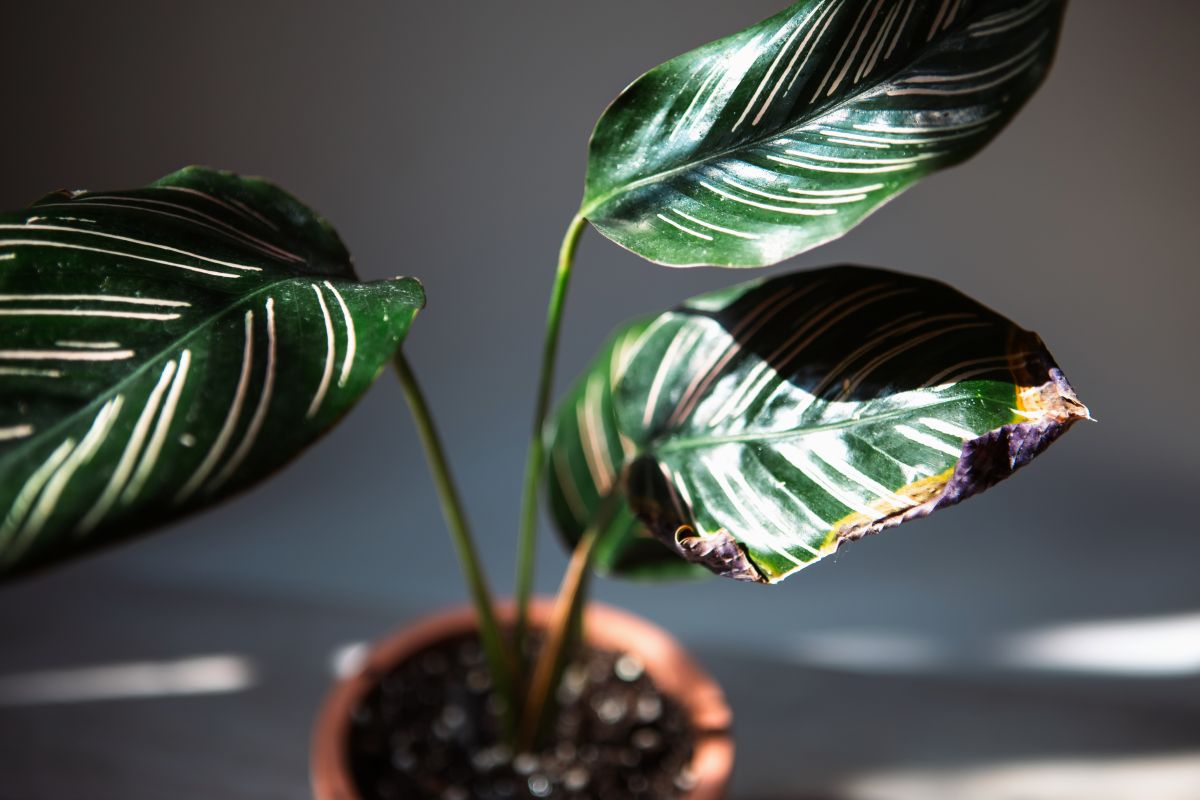
When my Monstera deliciosa started developing brown patches with bright yellow halos, my first thought was root rot. Then pests. Then panic. The spots kept expanding, and the leaves looked worse by the week.
After ruling things out one by one, the cause became much clearer — and it’s a mistake a lot of Monstera owners make without realizing it.

What the Yellow Halo Tells You (This Is the Clue Most People Miss)
Brown patches surrounded by a distinct yellow ring almost always point to leaf-spot disease, not physical damage.
That halo means the leaf tissue around the spot is reacting to infection.
Most often, it’s one of these:
- Fungal leaf spot (most common)
- Bacterial leaf spot (less common, but more aggressive)
Both thrive in the same conditions.
Why This Happens Even When Roots Look Fine
In my case, the roots were healthy. No mush, no smell, no rot. That’s why this is confusing — leaf spot doesn’t start in the roots.
It usually comes from leaf-level moisture, not soil.
The biggest triggers:
- Water sitting on leaves
- High humidity + low airflow
- Misting in normal room conditions
- Leaves touching each other while damp
- Overwatering combined with poor circulation
Even a “healthy” watering routine can cause this if the leaves stay wet too long.

Why It’s Probably Not Thrips (Yet)
Thrips damage looks very different:
- Silvery streaks
- Deformed new growth
- Tiny black specks (frass)
- Overall dull, scarred texture
Your photos show localized necrotic patches, not widespread feeding damage.
That said, pests can worsen fungal issues, so it’s still smart to inspect closely.
The 5-Step Fix That Actually Stops It From Spreading
This is exactly what I did.
1. Remove the worst leaves
- Any leaf with large brown patches won’t recover
- Cut with sterilized scissors
- Dispose — don’t compost
2. Stop misting immediately
- Misting does not raise room humidity
- It does create perfect fungal conditions
3. Improve airflow
- Space leaves apart
- Use a fan in the room if air is stagnant
- Avoid plants touching each other
4. Adjust watering
- Let the soil dry more than you think
- Monsteras tolerate drought better than constant moisture
- Water only when the top inches are dry
5. Treat if it keeps spreading
If new spots continue appearing:
- Use a copper-based fungicide or
- A gentle antifungal spray labeled for houseplants
Apply to dry leaves only, and avoid spraying late in the day.
What Will Not Fix This (But Gets Recommended Anyway)
These make things worse:
- Misting daily
- Neem oil on wet leaves
- Watering on a schedule
- Leaving damaged leaves “to see what happens”
Once leaf tissue turns brown, it’s dead. The goal is stopping spread, not healing scars.
How Long Recovery Takes (Realistic Timeline)
- Existing spots: permanent
- Spread stops: 1–3 weeks after conditions improve
- New growth: should emerge clean and healthy
That’s the sign you’ve fixed the root cause.
The Big Takeaway
This isn’t a mystery disease, and it’s not a failure on your part.
Most Monstera leaf spot issues come down to too much moisture + not enough air — especially on the leaves themselves.
Once I stopped treating my Monstera like a rainforest display and started treating it like a large-leaf plant that needs airflow, the problem stopped entirely.
If your Monstera has brown spots with yellow halos, don’t panic.
Change the environment — not the plant.