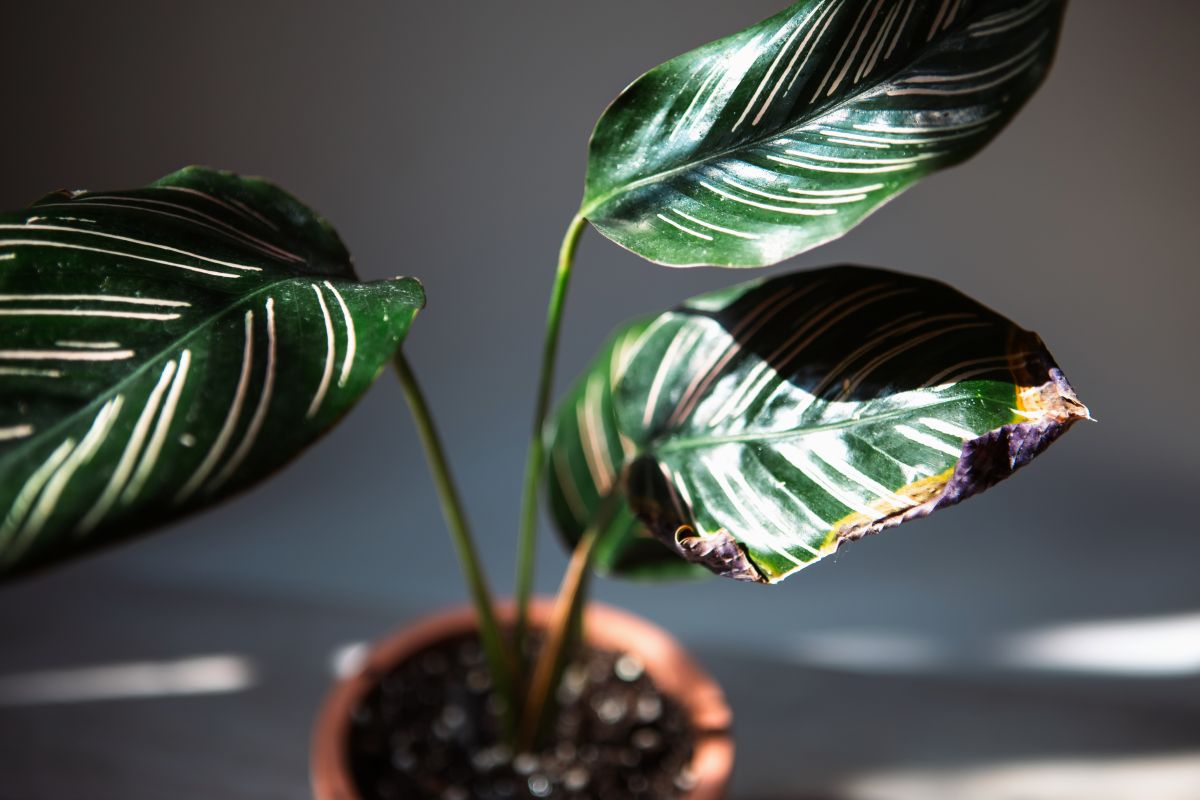
For years, I thought I was doing the right thing by keeping my houseplants close to warmth in winter. Once the temperatures dropped, I instinctively moved pots closer to radiators, heating vents, and cozy corners near fireplaces. After all, plants don’t like the cold, right?

Winter taught me that warmth isn’t the problem.
Dry heat is.
And there’s one place in particular where I no longer keep houseplants once winter arrives.
The worst place I used to keep plants: near heat sources
Radiators.
Floor vents.
Baseboard heaters.
Fireplaces.
They all seem harmless, even helpful, when the weather turns cold. But for houseplants, these spots quietly cause stress that shows up weeks later.
Most houseplants are tropical or subtropical. They’re used to warm and humid air, not the dry, forced heat we pump into our homes all winter.
What I started noticing every winter
Even plants that were healthy all summer would slowly decline once the heat came on.
Here’s what showed up first:
- Crispy leaf edges
- Leaves curling inward
- Soil drying out much faster than expected
- Drooping that didn’t improve after watering
At first, I blamed myself for watering mistakes. But the soil wasn’t the real issue.
The air was.
Why winter heat stresses houseplants so much
Central heating strips moisture from the air. Cold outdoor air already holds less humidity, and once it’s heated indoors, it becomes extremely dry.
That leads to:
- Faster moisture loss through leaves
- Dehydration even when soil is slightly moist
- Poor recovery after watering
- Increased pest problems
Plants near vents get hit the hardest because they’re exposed to constant airflow that pulls moisture away all day long.
The change that fixed most of my winter plant problems
I stopped placing plants near direct heat sources altogether.
Instead, I now prioritize:
- Distance from vents and radiators
- Stable room temperatures
- Areas with natural humidity
Bathrooms and kitchens became unexpected favorites, especially for plants like ferns, calatheas, and peace lilies.
How I protect plants when space is limited
Not every home has a perfect plant room. When I can’t move plants far from heat, I do a few simple things instead:
- Use humidity trays under pots
- Group plants together to raise local humidity
- Add a small humidifier nearby
- Rotate plants so one side doesn’t dry out constantly
I avoid misting as a solution. It’s temporary and doesn’t address the real issue.
Where my plants do best now in winter
These spots consistently work better:
- Bright rooms away from vents
- Kitchens with regular cooking moisture
- Bathrooms with windows
- Interior rooms with steady temperatures
I still bring plants inside for winter protection. I just don’t park them next to artificial heat anymore.
My winter rule for houseplants now
If the spot makes my skin dry, it’s probably bad for my plants too.
Once I started thinking that way, winter plant care became much easier. Leaves stayed softer. Growth didn’t stall as badly. And I stopped chasing problems that were caused by one bad placement choice.
Winter care isn’t about adding more steps.
Sometimes it’s just about moving plants away from the wrong place.