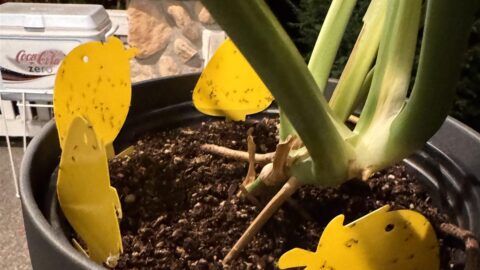
Snake plants often use less water in winter when light and growth decline. Check the root zone and drainage before watering; pot weight is a useful comparison, but it is not a complete moisture test on its own.

Check Below the Surface
A dry top layer can hide wet mix below, especially in a large pot. Feel deeper where practical and compare with the pot’s weight after watering and after drying. A heavy decorative container can make weight less informative.
Let Conditions Set the Interval
Do not water simply because two weeks have passed. A warm room with strong grow lights can differ from a cool windowsill. Use the plant’s actual light and moisture conditions.
Water and Drain Instead of Adding Repeated Top-Ups
Use a pot with drainage and empty the saucer or cover pot after watering. Persistent wetness, soft bases, or continuing yellowing warrant a root check, not another small drink.
Keep Adequate Light and Avoid Cold Drafts
Low-light tolerance does not mean darkness is harmless. See snake plant light needs. Protect the plant from cold glass and direct heater airflow.
Reference and Troubleshooting
Use NC State Extension’s snake plant profile for plant characteristics. Compare snake plant moisture checks when setting a routine, and investigate damaged roots if symptoms continue.