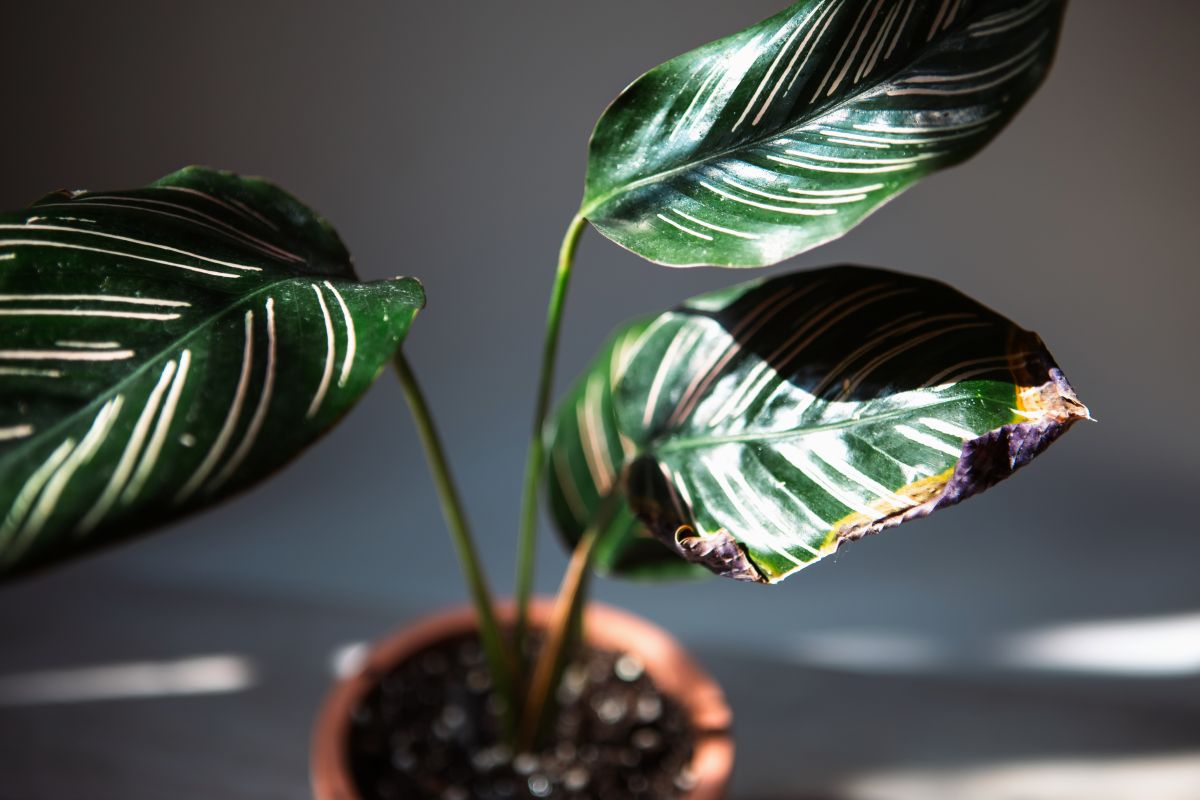
Peace lilies have a reputation for being easy, and for the most part, that’s true. Mine has tolerated missed waterings, imperfect light, and the occasional draft without much drama. Winter, however, taught me that even low-maintenance plants have one weak spot.

For peace lilies, that weak spot is dry air.
I used to assume winter meant watering less and leaving the plant alone. While they do need less water, I learned the hard way that dry indoor air causes more stress than slightly reduced watering ever does. The fix turned out to be simple, and it didn’t involve misting leaves or moving the plant around the house.
Why winter air affects peace lilies more than I expected
Once the heat comes on, indoor humidity drops fast. Cold outdoor air already holds less moisture, and heating it dries it out even more. That combination creates conditions peace lilies don’t love.
What I started noticing in winter:
- Leaves drooping even when the soil wasn’t dry
- Brown tips appearing out of nowhere
- Slower recovery after watering
The plant wasn’t thirsty. It was dry.
The simple change that made the biggest difference
Instead of increasing watering, I focused on humidity. The easiest solution for me was a humidity tray, sometimes called a pebble tray.
It raised the moisture level around the plant without soaking the soil or changing my watering schedule.
How I set up a humidity tray
This took less than 10 minutes.
Here’s what I used:
- A wide, shallow dish
- Non-absorbent pebbles or small stones
- Water
What I avoid:
- Unglazed terracotta
- Anything porous or absorbent
My setup process:
- I spread a layer of pebbles across the dish
- I placed the pot on top to check stability
- I added water until it covered the bottom of the dish but stayed below the top of the pebbles
The key is keeping the base of the pot above the water. The goal is evaporation, not soaking.
Where I place the tray
I keep the peace lily in its usual spot and simply slide the tray underneath. No need to chase humidity around the house.
I also make sure:
- The plant isn’t near heating vents
- The tray gets refilled as water evaporates
- The soil stays lightly moist, not wet
What changed after I added the tray
Within a couple of weeks, the difference was noticeable.
- Leaves stayed upright longer
- New growth stopped stalling
- Brown tips became rare
- The plant looked hydrated without extra watering
That told me the roots weren’t the issue. The air was.
My winter routine now
During winter, my peace lily care looks like this:
- Water less frequently
- Monitor soil moisture as usual
- Increase humidity instead of misting
- Keep the plant away from heat sources
It’s a small adjustment, but it’s one I don’t skip anymore.
Why I stick with this method
Humidity trays are quiet, low-effort, and easy to forget once they’re set up. That’s exactly why they work so well. For peace lilies, winter care isn’t about doing more. It’s about correcting one invisible problem before it shows up on the leaves.
If your peace lily struggles every winter despite careful watering, this one change is worth trying.