Crisp edges and curled leaves can come from several calathea care problems. Check light, soil moisture, humidity, and pests before adding more water. A brown margin alone does not identify the cause.

1. Check for Harsh Direct Sun
Choose bright, filtered light. A fixed distance from an east- or west-facing window is not a universal rule; buildings, curtains, season, and glass affect exposure.
2. Measure Humidity Near the Plant
Keep the pot away from direct heat and cold drafts. A humidifier can help if measurements show persistently dry air, but it will not repair existing brown tissue.
3. Review Water Quality
If mineral buildup is a concern, consider rainwater or distilled water. Not every household filter removes dissolved minerals or fluoride, so check what the filter is designed to do.
4. Keep Moisture Even Without Leaving the Roots Wet
Check the root zone and let excess water drain. Do not let the whole root ball become bone dry, or add water automatically because the leaf edges are crisp.
5. Repot Only When the Roots or Medium Need It
Inspect roots if the plant declines in persistently wet mix. Remove damaged tissue and use fresh mix with drainage. Upsizing is not necessary when the existing root system is small.
6. Avoid Feeding a Declining Plant
Correct the underlying problem first. Resume feeding when conditions and growth support it, following the product’s dilution guidance.
7. Inspect Leaf Undersides and Joints
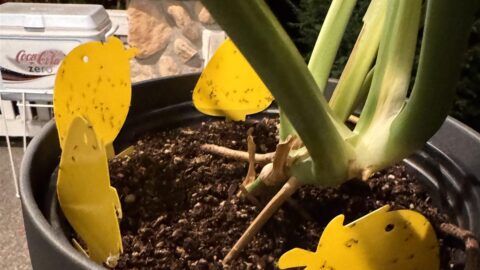
Look for fine webbing, pests, and sticky deposits. Use the mealybug guide if you find cottony insects, and isolate an infested plant.
Judge Recovery by New Growth
Damaged margins remain damaged. Photographs of new leaves help show whether the care adjustment has worked. Persistent symptoms warrant another inspection.
Care Reference
For conditions and troubleshooting, see the RHS calathea growing guide. Our winter humidity guide covers room conditions.