

At some point, almost everyone panics over this plant.
The leaves curl slightly. The color looks muted. Growth slows down just enough to make you think something’s wrong. I’ve seen people move it, water it, mist it, fertilize it — all in the same week — trying to “fix” a problem that doesn’t actually exist.
The truth is, some houseplants look stressed when they’re not. And this one is a perfect example.
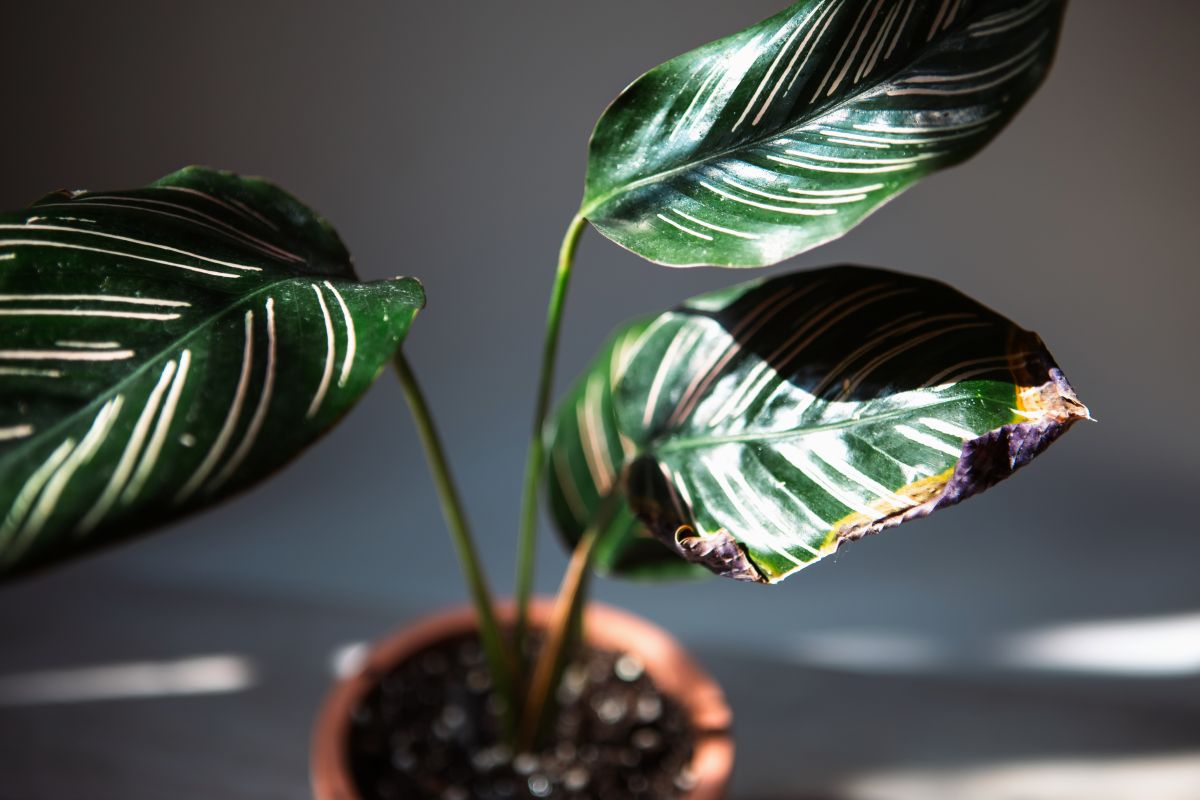
Why this plant often looks “unhappy” on purpose
This plant doesn’t advertise its health through fast growth or glossy perfection. Instead, it signals balance quietly.
Here’s what tends to confuse people:
- Leaves that curl or fold slightly
- Slower growth compared to other plants
- Subtle color shifts rather than bright green shine
What’s really happening is adaptation. This plant naturally conserves energy. It adjusts its leaf posture and growth rate based on light, humidity, and season — even indoors.
When conditions are stable, it doesn’t rush.
The mistake I used to make
I used to treat appearance as feedback.
If the leaves weren’t spreading wide, I assumed:
- It needed more water
- Or more light
- Or more humidity
So I changed things. And that’s when problems actually started.
Overwatering followed. Roots stayed wet. Leaves yellowed. The plant didn’t “perk up” — it declined.
Once I stopped interfering, it stabilized almost immediately.
How I learned to tell real stress from normal behavior
Now, I look for different signals.
Healthy signs that don’t look dramatic:
- Firm leaves, even if they curl
- No mushy stems or soft spots
- New growth appearing slowly but consistently
Actual warning signs:
- Sudden leaf drop
- Blackened stems
- Persistent wet soil with no drying cycle
If those aren’t present, I leave the plant alone.
What I do now instead
My care routine is intentionally boring:
- I water only when the soil actually dries
- I don’t rotate or relocate it constantly
- I ignore mild cosmetic changes
The plant rewards consistency, not attention.
Why this matters
A lot of houseplants fail because we expect them to perform visually all the time. Some plants aren’t decorative extroverts. They’re quiet, steady growers.
Once I stopped expecting “happy” to look a certain way, this plant became one of the most reliable ones in my home.
Sometimes thriving doesn’t look impressive. It just looks calm.


