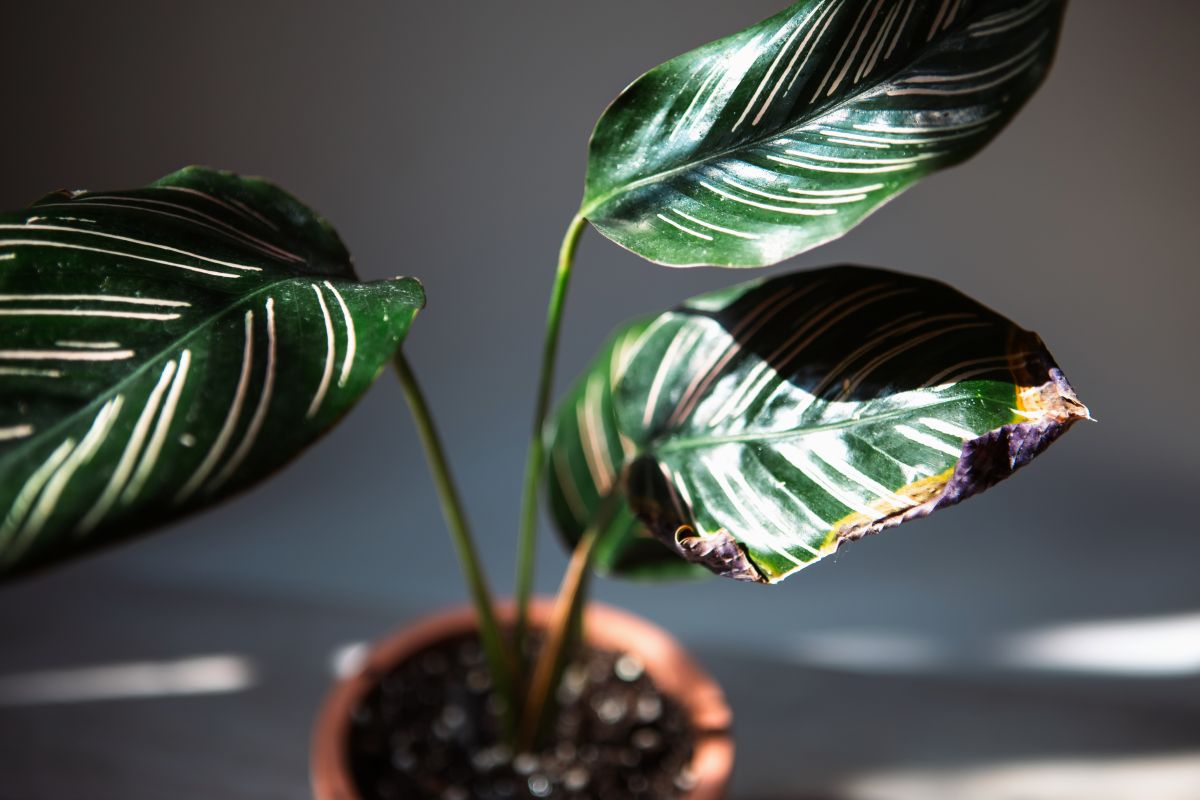
Monsteras are often labeled as “easy,” and compared to some houseplants, they are. Mine has survived missed waterings, uneven light, and a few questionable placement decisions. But every time it struggled, it was for the same reasons. These weren’t dramatic mistakes. They were subtle, common habits that quietly slowed growth or damaged leaves.

Here are the five Monstera care mistakes I’ve learned to avoid and what actually works instead.
1. Getting the light almost right (but not quite)
This was my first mistake.
Monsteras don’t want darkness, but they also don’t want sun blasting their leaves.
What went wrong for me:
- Too little light caused long, stretched stems
- Too much direct sun scorched the leaves
- South-facing windows looked right but felt wrong
What works:
- Bright, indirect light
- A few feet back from a sunny window
- Sheer curtains if the light is intense
If the plant is stretching, it wants more light. If the leaves are burning, it wants less.
2. Watering on a schedule instead of reading the soil
This one almost always leads to root issues.
I used to water every week because it felt responsible. It wasn’t.
What I do now:
- Check the top 1 to 2 inches of soil
- Water only when that layer is dry
- Water less in winter, more in active growth seasons
Overwatering did far more damage than underwatering ever did. Monsteras recover faster from slight dryness than soggy roots.
3. Using regular potting soil without adjusting it
Standard potting mix held too much moisture for my Monstera.
The problem:
- Compacted soil
- Slow drainage
- Roots staying wet too long
The fix:
- Well-draining soil
- Potting mix amended with orchid bark or chunky material
- A pot with drainage holes, always
Once the soil drained better, watering became easier and more forgiving.
4. Ignoring humidity until the leaves complained
Monsteras don’t need rainforest conditions, but dry air shows up quickly on the leaves.
What I noticed:
- Brown edges
- Slower growth
- Leaves losing their healthy sheen
What helps:
- Keeping the plant away from vents and cold windows
- Pebble trays or nearby plants for shared humidity
- Occasional showers instead of misting
Bathrooms work surprisingly well if there’s enough light.
5. Assuming indoor plants don’t get pests
They absolutely do.
I learned this after spotting spider mites far too late.
What I do now:
- Check leaves when I water
- Wipe dust off regularly
- Look under leaves and at stems
- Act early instead of waiting
Pests are easier to handle when you catch them early. Ignoring them is how small problems become plant-wide ones.
What I’ve learned overall
Monsteras aren’t difficult. They’re just honest.
When something’s wrong, they show it through:
- Leaf shape
- Growth speed
- Color changes
- Texture
Once I stopped forcing routines and started responding to the plant instead, care got simpler.
Most Monstera problems aren’t fatal. They’re feedback.