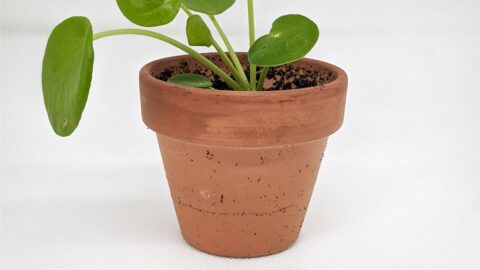
Strawberry begonia, Saxifraga stolonifera, is neither a true begonia nor a strawberry plant. It forms leafy rosettes and sends out thin runners carrying new plantlets, making it useful in a hanging pot or raised display. Grow it in filtered light with a moist, draining root zone and a cooler position than many tropical foliage plants prefer.

Recognize rosettes, runners, and airy white flowers
The rounded, hairy leaves have pale veins and often reddish undersides. Fine runners carry small rosettes away from the parent, while flower stalks rise above the foliage with delicate white blooms. NC State Extension’s species profile identifies it as an East Asian saxifrage. Its runner habit gives the strawberry comparison, but the name does not imply an edible fruit crop.
Use bright, filtered light and avoid excessive heat
Choose a bright window position protected from prolonged harsh sun. Gentle direct light can be suitable in some conditions, but acclimate the plant rather than moving it abruptly into hot exposure. Keep it away from heater blasts and crowded, overheated displays. The light at a specific shelf matters more than an east- or west-window label. Our window placement guide helps assess the room.
Water before a small root ball dries completely

Check the upper medium and pot weight before watering, then wet the root zone evenly and let it drain. Waiting for two or three inches of a very shallow pot to dry can be excessive. Avoid leaving the container in runoff or repeatedly splashing water into the crown. Our watering guide explains checking moisture. Slower winter growth usually reduces demand, but the plant still needs monitoring.
Use a suitable medium and feed modestly
Choose a moisture-holding potting mix that keeps air around the roots. Perlite or other coarse components can change structure, while adding peat alone is not a guarantee of improved drainage. Feed when active growth and the medium justify it, following a suitable fertilizer’s label. Do not automatically combine weekly liquid feed with slow-release pellets. Repot when roots are crowded or the mix has deteriorated rather than upsizing every spring by default.
Allow a sheltered, relatively cool setting
This plant can suit cooler indoor conditions and shaded outdoor sites where the climate allows. Container roots and variegated selections may need different protection from established green plants in the ground. Check regional advice before leaving it outside through winter. Moderate humidity can help, but keep airflow around the rosettes. Avoid trapping the crown in a constantly damp decorative arrangement.
Give ‘Tricolor’ the same careful moisture checks

The variegated selection commonly sold as ‘Tricolor’ has pale cream margins, often with pink tones. Its smaller, patterned leaves make it a distinct display, but it remains a Saxifraga rather than a variegated Begonia. Protect the pale tissue from harsh sun and monitor its own pot rather than assuming it dries at the same rate as a larger green parent. Do not use one leaf color change as a reason for heavy feeding.
Root the plantlet while its runner is attached
Place a small pot of suitable medium beside the parent and set a healthy runner plantlet on the surface. Keep its base in contact with the mix without burying the crown. Let it develop a useful root system, then cut the connection with clean tools. Do not pot only a bare length of runner and assume it contains a complete plantlet. Keep the new pot appropriately small and maintain moisture as it establishes.
Inspect pests without applying begonia rules automatically
Check for mealybugs, mites, and scale, and isolate a plant with a confirmed infestation. Use a labeled treatment suitable for the pest and foliage rather than an improvised soap mixture. Our mealybug guide covers identification. A common name is not a toxicity assessment: do not transfer true-begonia warnings to this unrelated plant. Keep any ornamental away from pets that chew it, and use its botanical name when seeking advice.
Remove dead material and assess the root zone
Trim clearly dead leaves or spent flower stalks with clean tools, leaving healthy rosettes intact. If foliage wilts in wet medium, inspect drainage and roots before watering again. A leaf spot is not automatically proof that a fungicide is needed. Our repotting guide covers handling a plant when the medium or root system needs attention. Judge improvement by healthy new growth rather than expecting old damage to disappear.